Yes, many people successfully combine scalp microneedling with laser cap therapy. The key is spacing these treatments appropriately, protecting your scalp barrier, and tracking results with objective monthly photographs. If you notice increasing irritation—redness that lasts days, worsening flaking, or tenderness—reduce frequency before adding any new variables.
The impulse to combine treatments runs strong when you're trying to regrow hair. Two tools must be better than one. Microneedling plus a laser cap ranks among the most common treatment combinations discussed in hair loss forums, shared in private messages, and researched during late-night searches.
The logic seems sound: microneedling creates controlled injury to trigger healing responses, while low-level laser therapy supports follicle function through light energy. But stacking treatments without understanding their interaction creates a real risk. Do too much, inflame your scalp repeatedly, and you'll trade a coherent plan for inflammatory noise that obscures any actual progress.
What each tool tries to do
Microneedling
Microneedling uses fine needles to create thousands of tiny, controlled micro-injuries across the scalp. Proponents pursue several potential mechanisms: triggering wound-healing cascades that may stimulate follicle activity, increasing growth factor production locally, and potentially improving absorption of topical treatments if you use them.
The critical variables are depth, pressure, and hygiene. These factors determine whether microneedling helps or simply irritates. Depth ranges from superficial (0.2-0.5mm) to deeper (1.0-1.5mm). Pressure affects how much trauma you're actually creating. Hygiene determines infection risk. None of these variables are trivial.


Laser cap therapy (LLLT)
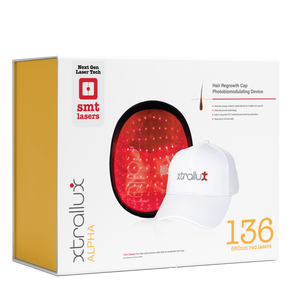
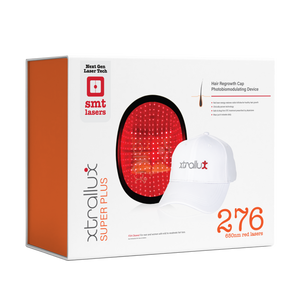
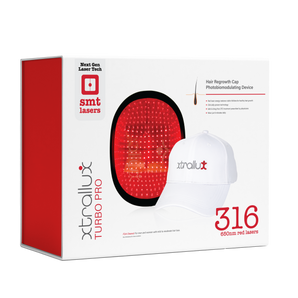
Low-level laser therapy delivers specific wavelengths of light—typically 650nm red lasers—to the scalp at carefully calibrated power levels. The proposed mechanisms involve stimulating cellular energy production in follicle cells, extending the growth phase of the hair cycle, and improving blood flow to the scalp. LLLT works gradually over months, not days or weeks.
LLLT fits people who can commit to a consistent schedule. Sporadic use produces sporadic results at best. This is a long-term support tool, not a quick intervention.
The schedule that keeps people out of trouble
You want a schedule that maintains scalp calm while still providing whatever benefits each treatment offers. Here are three common frameworks people find manageable.
Option A: Conservative starter
Use your laser cap according to your device's recommended schedule (often three times weekly for 6-10 minutes). Perform scalp microneedling once every 10-14 days.
Choose this option if you have sensitive skin generally, you've experienced scalp irritation from products in the past, or you have dandruff, seborrheic dermatitis, eczema, or psoriasis history. Starting conservatively lets you assess your individual tolerance.
Option B: Standard pace
Continue your laser cap's recommended schedule. Increase microneedling to once weekly.
This represents where many people eventually settle after starting conservatively. Only maintain this frequency if your scalp remains consistently calm between sessions—no prolonged redness, no flaking that worsens week-to-week, no increasing tenderness.
Option C: Advanced pace
Maintain your laser cap schedule. Continue weekly microneedling, sometimes incorporating "light" and "rest" cycles where you vary the intensity or depth periodically.
This option is for people who've already demonstrated good tolerance over several months. It's not where anyone should start. Some people can maintain this intensity; many cannot without triggering chronic low-grade inflammation.
Same day or separate days
Spacing your treatments improves your ability to interpret what's happening on your scalp. A straightforward approach: perform microneedling at night, skip your laser cap session for 24-48 hours afterward, and resume laser therapy once your scalp feels calm and normal to the touch.
Some people do both treatments on the same day. This can work for certain individuals. It also increases the probability of irritation, prolonged redness, and flaking—particularly when you're early in the process and haven't established your personal tolerance threshold.
If you want the safer path with clearer feedback signals, separate the treatments.

Depth and device basics
Depth isn't a measure of commitment or seriousness. It's a dose, and dose matters. Many home microneedling routines use shallow depths in the 0.25-0.5mm range. Some people pursue deeper settings of 1.0-1.5mm, typically following protocols discussed in research literature or online communities.
Deeper creates more trauma and theoretically stronger healing signals. It also creates more inflammation and higher infection risk, particularly with inconsistent technique.
For home use, prioritize these fundamentals: clean hands, sterilized device, light consistent pressure without dragging the device across your scalp, systematic coverage of treatment areas, and stopping immediately if you see more than tiny pinpoint bleeding. Significant bleeding suggests you've exceeded appropriate depth or pressure for home use.
If you feel uncertain about technique or appropriate depth, a professional treatment or consultation with a dermatologist can provide valuable guidance. This isn't a matter of courage; it's a matter of appropriate skill development.
What not to do after microneedling
People undermine their results through poor post-treatment care. Common mistakes include applying strong acids or active ingredients like retinoids, using heavily fragranced products, engaging in sweaty exercise immediately afterward (sweat on fresh micro-injuries creates infection risk), wearing tight hats that trap heat and create friction, and scratching the scalp when it feels itchy during healing.
Your scalp is attempting to reset its barrier function and heal the controlled injuries you just created. Let it complete that process without interference.
How to know you are doing too much
Watch for these warning signs: burning sensation that extends into the next day rather than resolving within hours, flaking that progressively worsens week-over-week, new tenderness when you touch your scalp, or shedding that clearly tracks with post-treatment inflammation spikes.
You don't win by pushing through inflammation. You win by maintaining a scalp environment stable enough to support sustained hair growth. Chronic inflammation undermines that goal.
Where results show up first
Hair changes move slowly—follicle cycling operates on timescales of months, not days. Look for early signals that indicate you're on the right track rather than expecting visible density changes quickly.
Positive early indicators include decreasing scalp irritation over time (your tolerance improves rather than worsens), less hair breakage when you brush or detangle, improved texture—your hair feels healthier when you touch it, and consistent adherence to your routine without having to force yourself.
Visible density improvements typically require 4-6 months minimum as new growth reaches sufficient length to contribute to overall appearance. Take monthly photographs using identical lighting, angle, and distance. This creates objective data.
How to track without losing your mind
Choose two metrics and stick to them. Avoid expanding your tracking system endlessly, which creates anxiety without providing useful information.
Recommended metrics: Take monthly photographs of your crown and part areas under overhead bathroom lighting, same angle and distance each time. Keep a simple weekly note: "Shedding seems up / same / down compared to last week."
Avoid daily hair counting. Daily counting transforms hair into a scoreboard, creating anxiety that makes people abandon effective long-term routines. Hair growth timelines don't align with daily observation—you're measuring noise, not signal.
Frequently Asked Questions
Can I use a laser cap after microneedling?
Most people wait 24-48 hours after microneedling before resuming their laser cap sessions, allowing the scalp to calm and initial healing to occur. This spacing reduces the risk of compounding irritation and helps you identify which treatment might be causing any redness or sensitivity you notice.
How often should I microneedle my scalp for hair loss?
Many home routines begin with once every 10-14 days. If your scalp tolerates this well over several sessions—no prolonged redness, no worsening flaking, no persistent tenderness—some people increase to weekly sessions. If you notice increasing irritation, reduce frequency before considering any increase in depth or addition of topical products. Consistency at a sustainable frequency beats aggressive treatment you can't maintain.
What signs mean I should pause microneedling?
Pause immediately if you experience persistent burning that lasts beyond a day or two, increasing tenderness to touch that worsens session-to-session, progressive flaking that accumulates rather than resolving, or irritation that clearly extends beyond normal 24-hour post-treatment sensitivity. A calm scalp is a prerequisite for accurately assessing progress and maintaining a routine you can sustain for the months required to see density changes.
Combining treatments requires patience and attention to your scalp's signals. Success comes from maintaining consistency at a sustainable pace, not from pushing through inflammation in pursuit of faster results.