

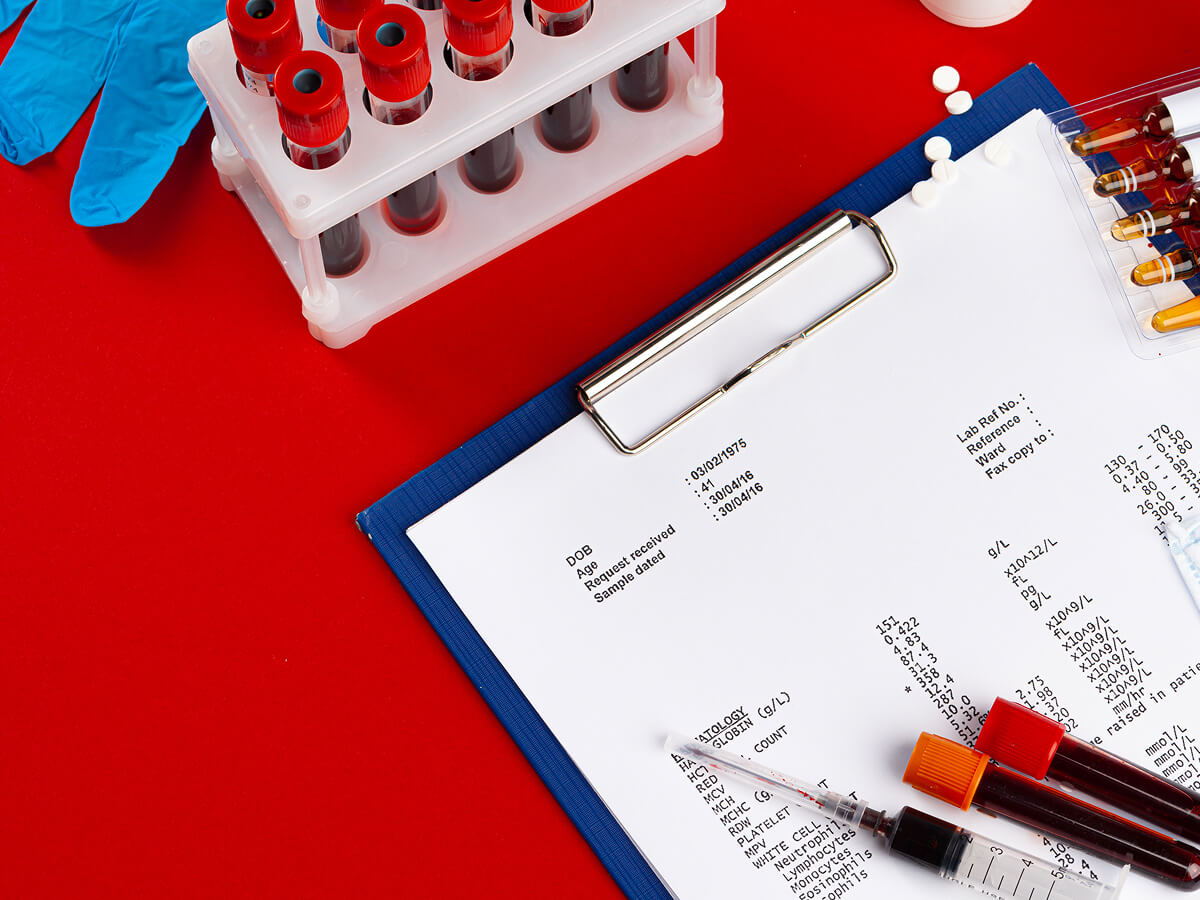
If you're experiencing shedding or thinning, basic laboratory tests can help identify common correctable causes like low iron stores, thyroid dysfunction, and nutritional deficiencies. A focused checklist saves time and narrows down the underlying factors contributing to your hair changes.
When hair starts shedding more than usual, people become investigators. They scrutinize ingredient labels on shampoo bottles, photograph their hairline from multiple angles, and browse supplement aisles looking for nutritional solutions. Most skip the most straightforward source of information: bloodwork.
This isn't because blood tests are difficult to obtain or particularly expensive. It's because hair loss feels intensely personal and mysterious, while blood tests feel mundane and clinical. Yet hair growth is fundamentally a biological process, and biology leaves measurable traces in your bloodstream. A short checklist of standard lab tests can eliminate months of speculation and misdirected effort.
The goal of labs
Blood tests serve two primary functions in the context of hair loss. First, they identify fixable causes of excessive shedding that might otherwise go undetected. Second, they reveal underlying medical conditions that can worsen pattern hair loss even if they didn't cause it initially.
It's important to understand what lab work cannot do: diagnose "hair loss" as a standalone condition. Hair shedding and thinning have numerous causes, and blood tests provide one piece of a larger diagnostic picture. They narrow the story. They eliminate some possibilities and highlight others. That focus is exactly what makes them valuable.

The lab checklist
Bring this list to your healthcare provider and discuss which tests fit your specific history and symptoms. Not everyone needs every test, but this checklist covers the most common and informative markers.
1) Ferritin and iron studies
What it reveals: Your body's iron storage levels and how efficiently you're transporting iron.
Why hair cares: Hair follicles are among the most metabolically active cells in your body, requiring constant energy and rapid cell division. Iron supports the cellular machinery that drives this activity. Research has found correlations between low ferritin (stored iron) and increased hair shedding in some individuals, even when they don't meet the criteria for anemia.
Ask about: ferritin, serum iron, TIBC (total iron binding capacity) or transferrin, and percent saturation. These markers together provide a more complete picture than ferritin alone.
2) CBC (Complete Blood Count)
What it reveals: The levels and types of cells in your blood, including red blood cells, white blood cells, and platelets.
Why hair cares: Anemia—low red blood cell count or hemoglobin—reduces oxygen delivery throughout your body, including to your scalp. When follicles don't receive adequate oxygen, they may shift prematurely into the resting phase, leading to diffuse shedding. A CBC can also flag signs of infection or inflammation that might contribute to hair changes.
3) Thyroid panel
What it reveals: Whether your thyroid gland is producing appropriate levels of thyroid hormones, which regulate metabolism throughout your body.
Why hair cares: Thyroid hormones influence hair follicle cycling. Both hyperthyroidism (overactive thyroid) and hypothyroidism (underactive thyroid) can cause diffuse hair shedding. The shedding from thyroid dysfunction tends to improve once hormone levels stabilize, but this requires identifying and treating the underlying thyroid condition.
Many people ask about: TSH (thyroid stimulating hormone), free T4, and sometimes free T3. Depending on your symptoms, your provider might also check thyroid antibodies to screen for autoimmune thyroid disease.

4) Vitamin D
What it reveals: Your vitamin D status, which affects numerous body systems.
Why hair cares: Vitamin D plays roles in follicle cycling, immune system regulation, and potentially in maintaining the stem cells that generate new hair. Low vitamin D levels appear frequently in routine blood panels, particularly in people who live in northern climates or spend little time outdoors.
The key is context. A number on a lab report doesn't mean much without a plan for correction and follow-up.
5) B12 (Cobalamin)
What it reveals: Your vitamin B12 levels, which can decline due to inadequate dietary intake, poor absorption, or gastrointestinal conditions.
Why hair cares: B12 supports red blood cell production and nervous system health. Deficiency can contribute to fatigue and, in some cases, hair changes. Vegetarians, vegans, people with pernicious anemia, and those with certain digestive conditions face higher risk of B12 deficiency.
6) Zinc
What it reveals: Your zinc status, though serum zinc testing has limitations and may not reflect tissue stores accurately.
Why hair cares: Zinc supports protein synthesis and tissue repair, including in hair follicles. Both zinc deficiency and zinc excess can potentially contribute to hair problems, which is why testing provides better guidance than supplementing blindly. High-dose zinc supplementation can actually interfere with copper absorption and create new problems.
7) A1C or fasting glucose (optional)
What it reveals: Your blood sugar control over the past three months (A1C) or at a single point in time (fasting glucose).
Why hair cares: Metabolic health connects to hormonal pathways, inflammation levels, and the scalp environment. This marker becomes more relevant when you have other signs of insulin resistance or conditions like PCOS (polycystic ovary syndrome) that link metabolic and hormonal issues affecting hair.
8) Hormone labs (situational)
These aren't standard for everyone with hair shedding, but they can provide important information when specific symptoms suggest hormonal involvement.
Consider discussing these if you have: irregular menstrual periods, acne combined with facial hair growth, sudden shedding accompanied by new signs of androgen excess, or concerns related to menopause transition.
A provider might order: total and free testosterone, DHEA-S, SHBG (sex hormone binding globulin), prolactin, and possibly estradiol and FSH depending on your age and menstrual cycle status.
What results often mean in plain language
The word "normal" creates a trap that many people fall into. Normal ranges on lab reports reflect the values seen in a broad population, typically encompassing 95% of healthy individuals. But "within normal range" doesn't necessarily mean "optimal for you."
Hair follicles may respond to nutrient levels or hormone changes before those values cross outside the reference range. This is why interpretation matters more than the printed numbers. Ask better questions:
• Is this level optimal for supporting hair growth and energy production?
• Do these results align with my specific symptoms?
• Should we retest in 8-12 weeks to see if the trend is improving, stable, or declining?
You want interpretation and context from your provider, not just a printout with checkmarks.
What to do while you wait on results
The wait between drawing blood and receiving results—often 1-2 weeks—can create anxiety and a sense of helplessness. Use that time for straightforward actions that support your scalp regardless of what the labs reveal.
Eat protein at each meal to ensure steady amino acid availability for hair growth. Reduce heat styling frequency and intensity. Avoid hairstyles that create tension at your hairline. Use a gentle shampooing routine that doesn't inflame your scalp. Take monthly photos under consistent lighting conditions.

Your immediate plan should minimize scalp irritation. Inflammation can amplify shedding and makes it harder to assess the effectiveness of any treatment later.
Where laser cap therapy fits in this picture
Low-level laser therapy (LLLT) using a laser cap is a tool for supporting follicle function over time, particularly during regrowth phases and in cases of pattern hair loss. It's not a replacement for correcting low iron, managing thyroid dysfunction, or addressing nutritional deficiencies.
Think of LLLT as occupying its own lane in your treatment plan rather than serving as a detour around medical investigation. One consistent, evidence-based routine produces better results than three chaotic, overlapping interventions that make it impossible to determine what's working.

Frequently Asked Questions
What blood tests should I ask for with hair shedding?
A reasonable starting point includes ferritin and iron studies, a complete blood count, a thyroid panel, and vitamin D. Depending on your diet and symptoms, testing B12 and zinc can provide useful information. If you have signs suggesting hormonal involvement—irregular periods, acne, new facial hair growth—your provider might recommend additional hormone testing including testosterone, DHEA-S, and SHBG.
Can low ferritin cause hair shedding?
Some research indicates that people with low iron stores report increased hair shedding, and some see improvement after bringing their ferritin levels up to optimal ranges. However, ferritin is one piece of the diagnostic picture. You still need a complete scalp evaluation and a treatment plan that addresses your full medical and lifestyle context.
If my labs are normal, what next?
Request a scalp and hair examination to look for pattern hair loss, inflammatory conditions, or specific types of shedding disorders. Continue taking consistent monthly photos for objective tracking. Focus on maintaining a stable routine, then reassess your progress in a defined timeframe—typically 8-12 weeks. Sometimes "normal" labs mean the cause is primarily genetic (pattern hair loss) rather than nutritional or hormonal.
Medical Disclaimer
This content is provided for educational and informational purposes only and is not intended as medical advice, diagnosis, or treatment. The information shared here should not be used as a substitute for professional medical evaluation, diagnosis, or care. Always consult a qualified healthcare provider regarding any medical condition, symptoms, or concerns, including hair loss, and before requesting or interpreting any laboratory tests.
Share:
How to Support Someone You Love Through Hair Loss
Microneedling and Laser Caps: How to Combine Them Safely