

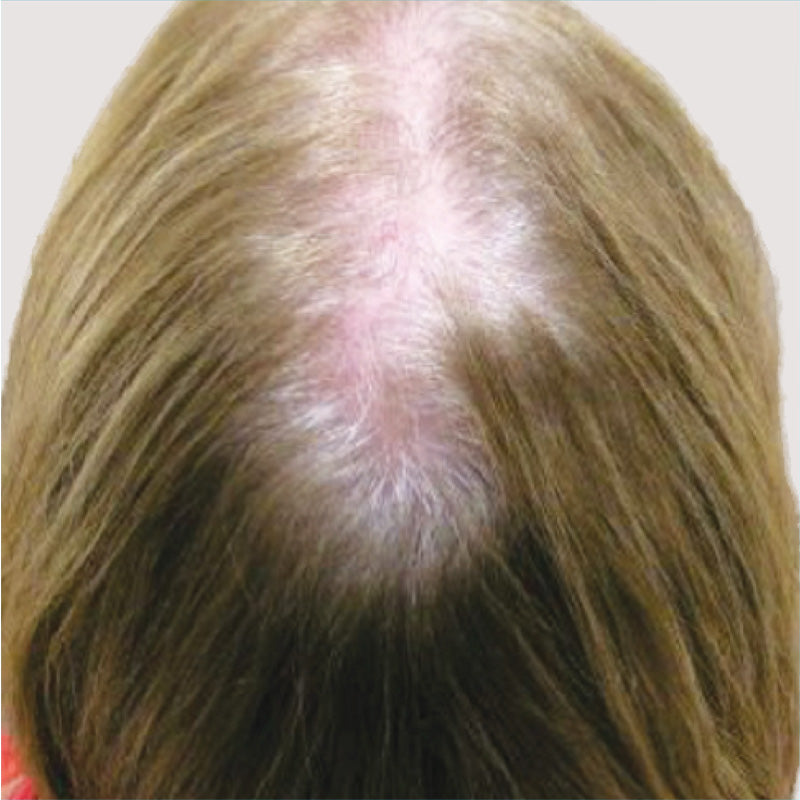
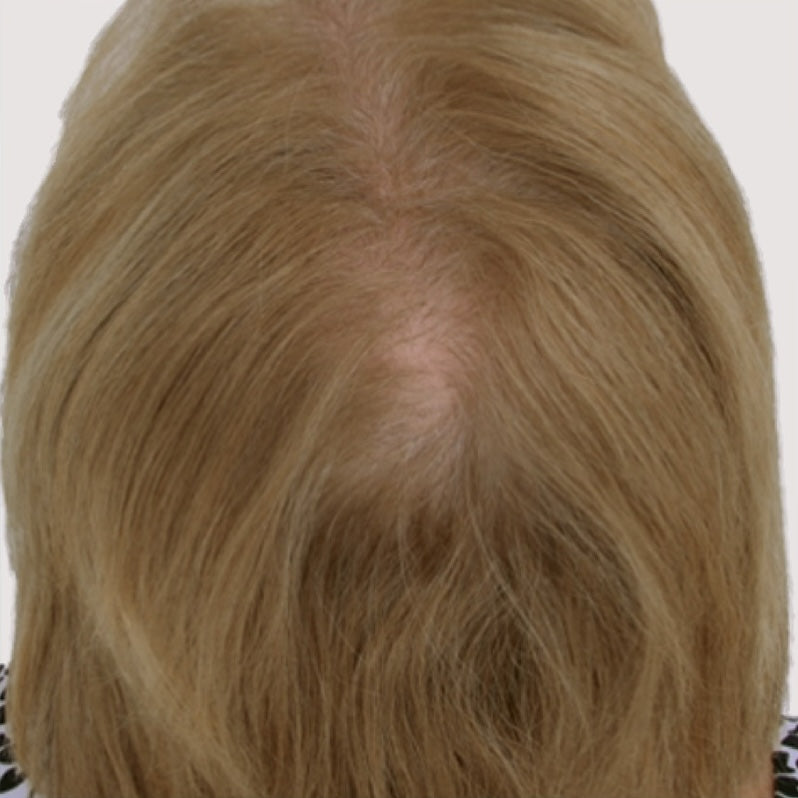
Female Patient - 1-Year Results
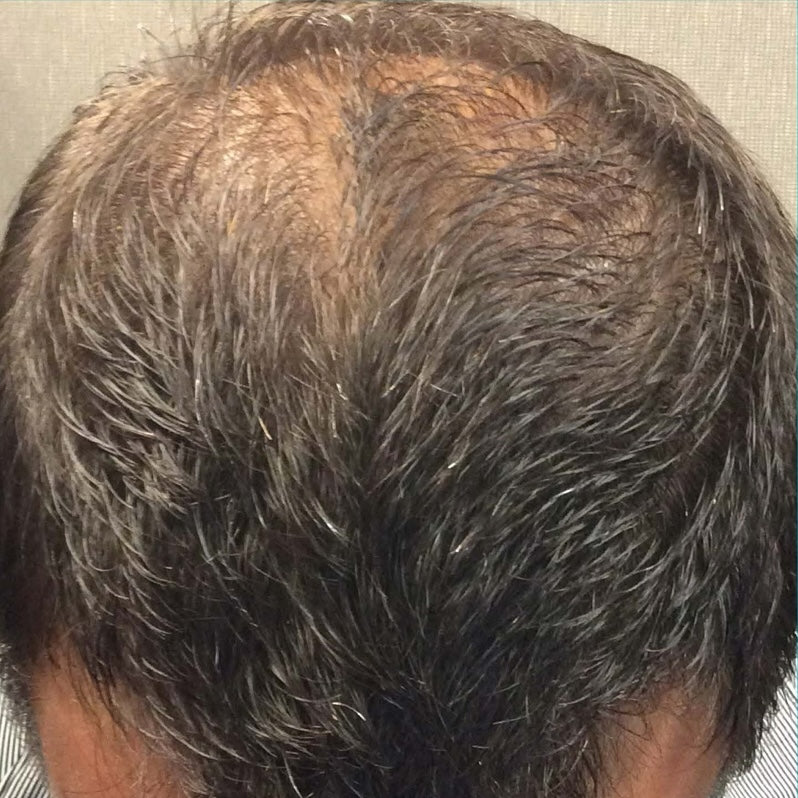
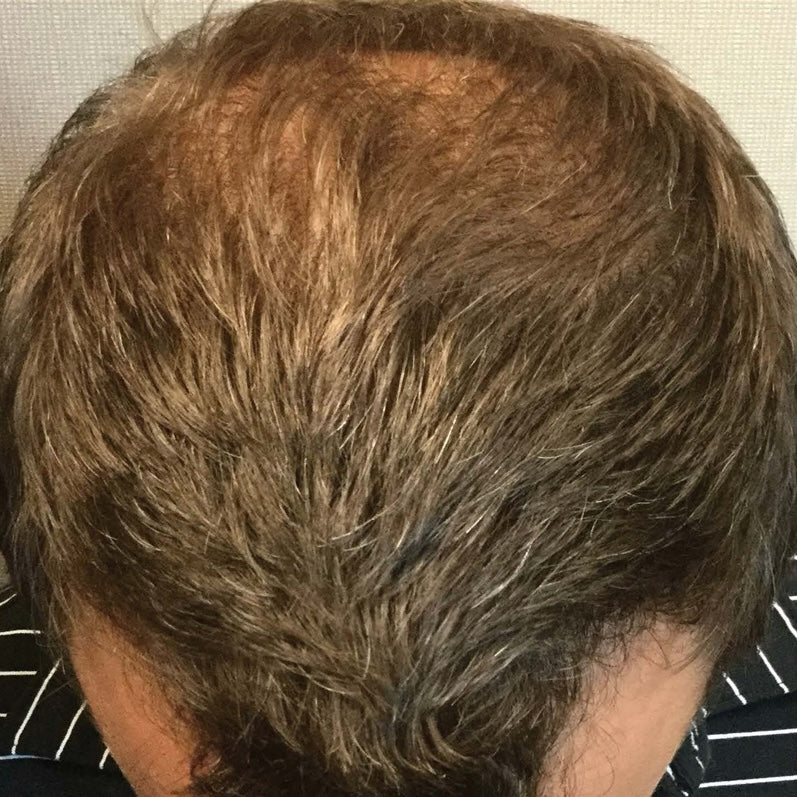
Male Patient | 9-Months Results
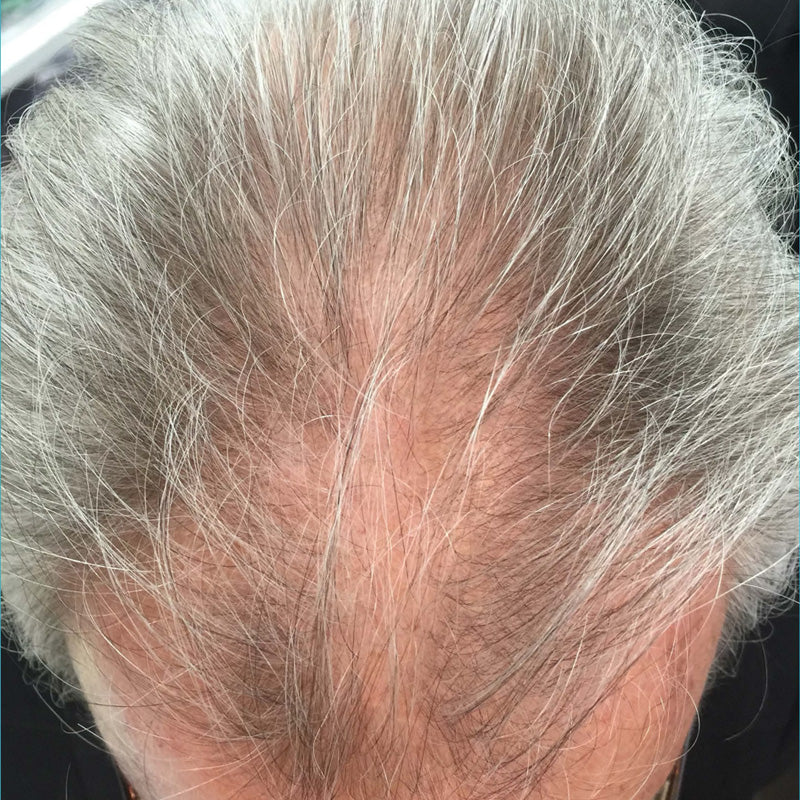
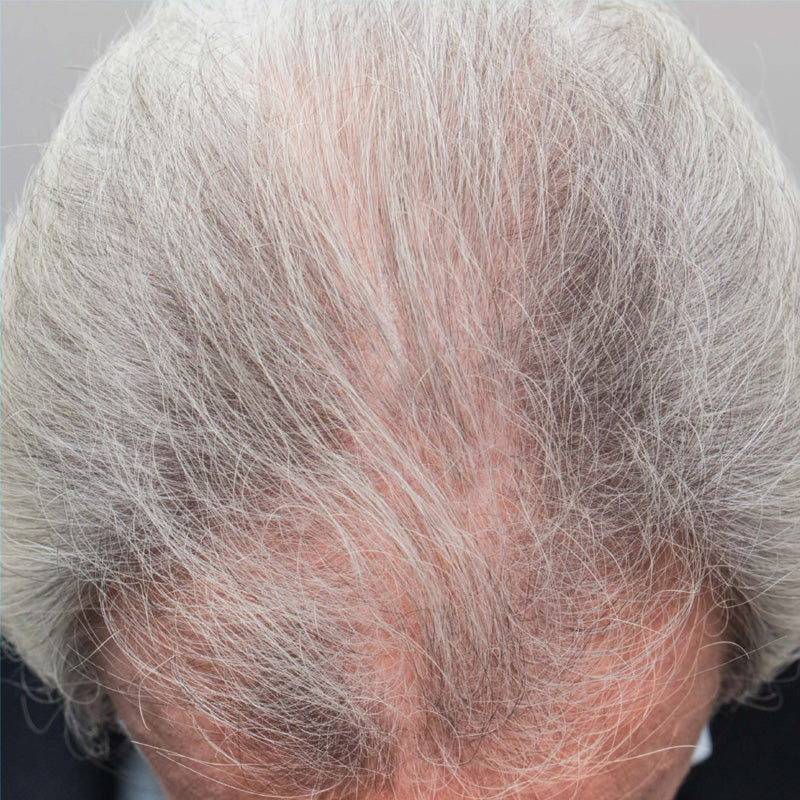
Male Patient | 1-Year Results
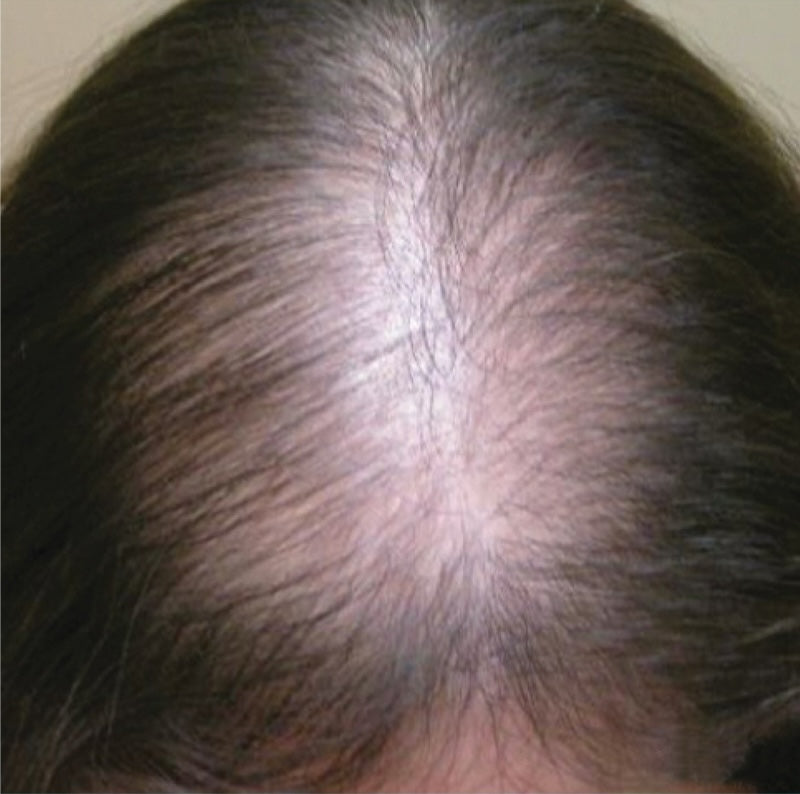
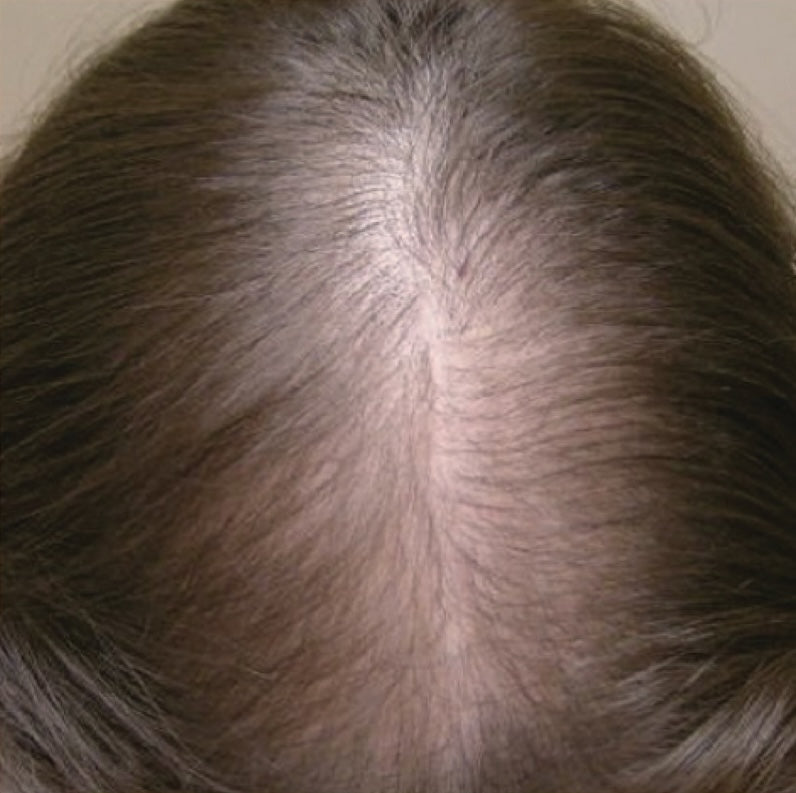
Female Patient | 6-Months Results
Father's Day Savings!
Sale end in:
--
Days--
Hours--
Mins--
SecsClinically proven red light technology for thicker, stronger hair at home.
Transform your hair with the Xtrallux Laser Comb.
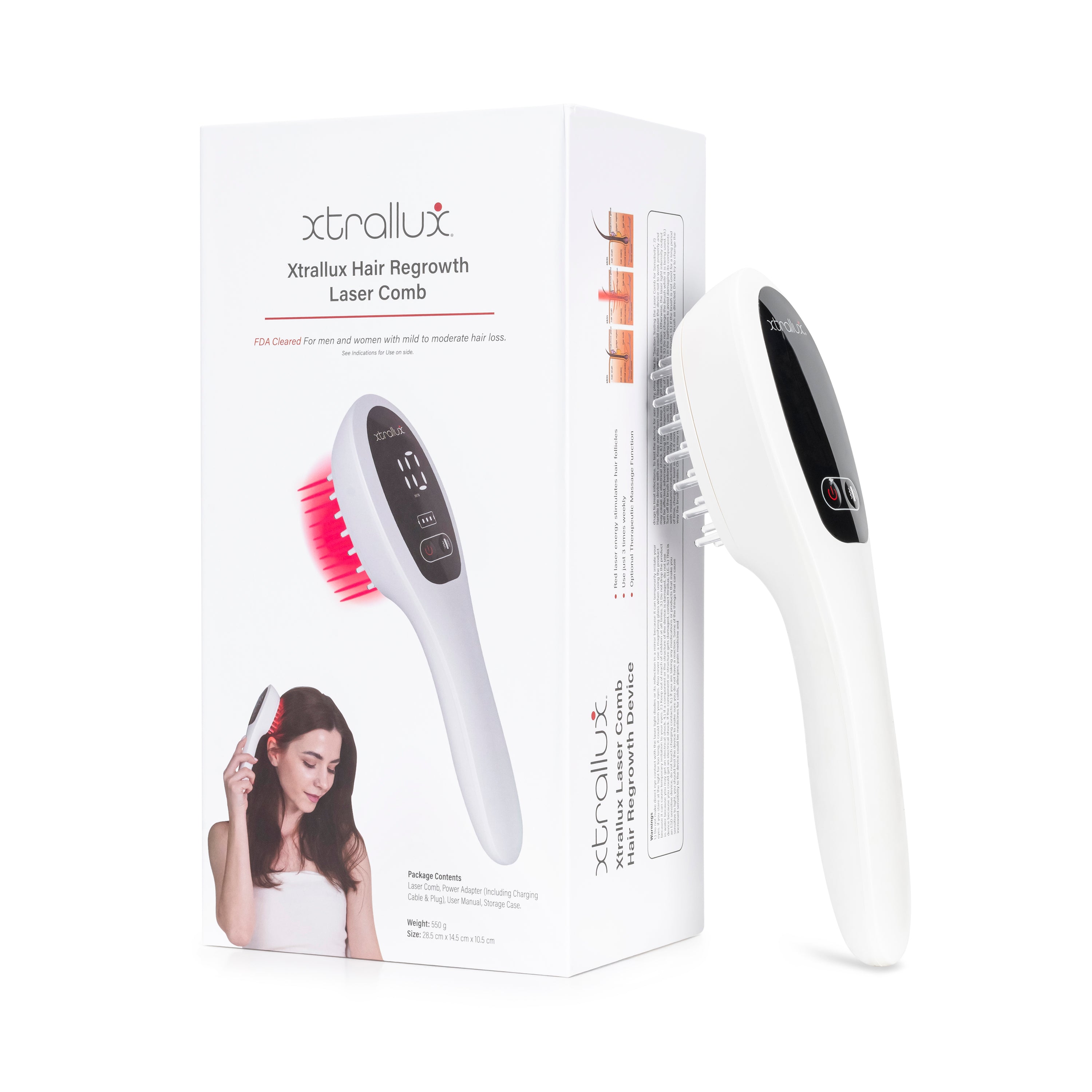
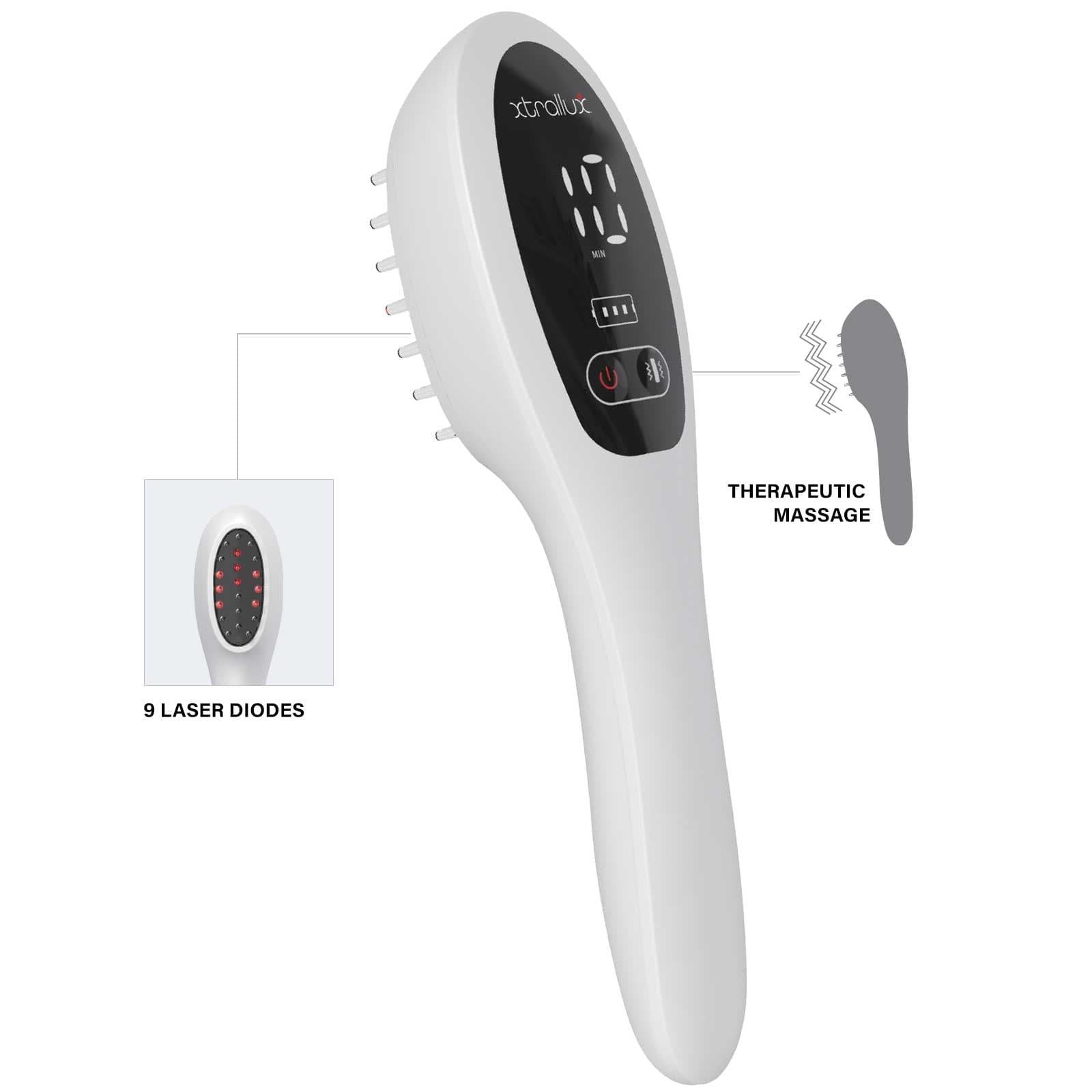
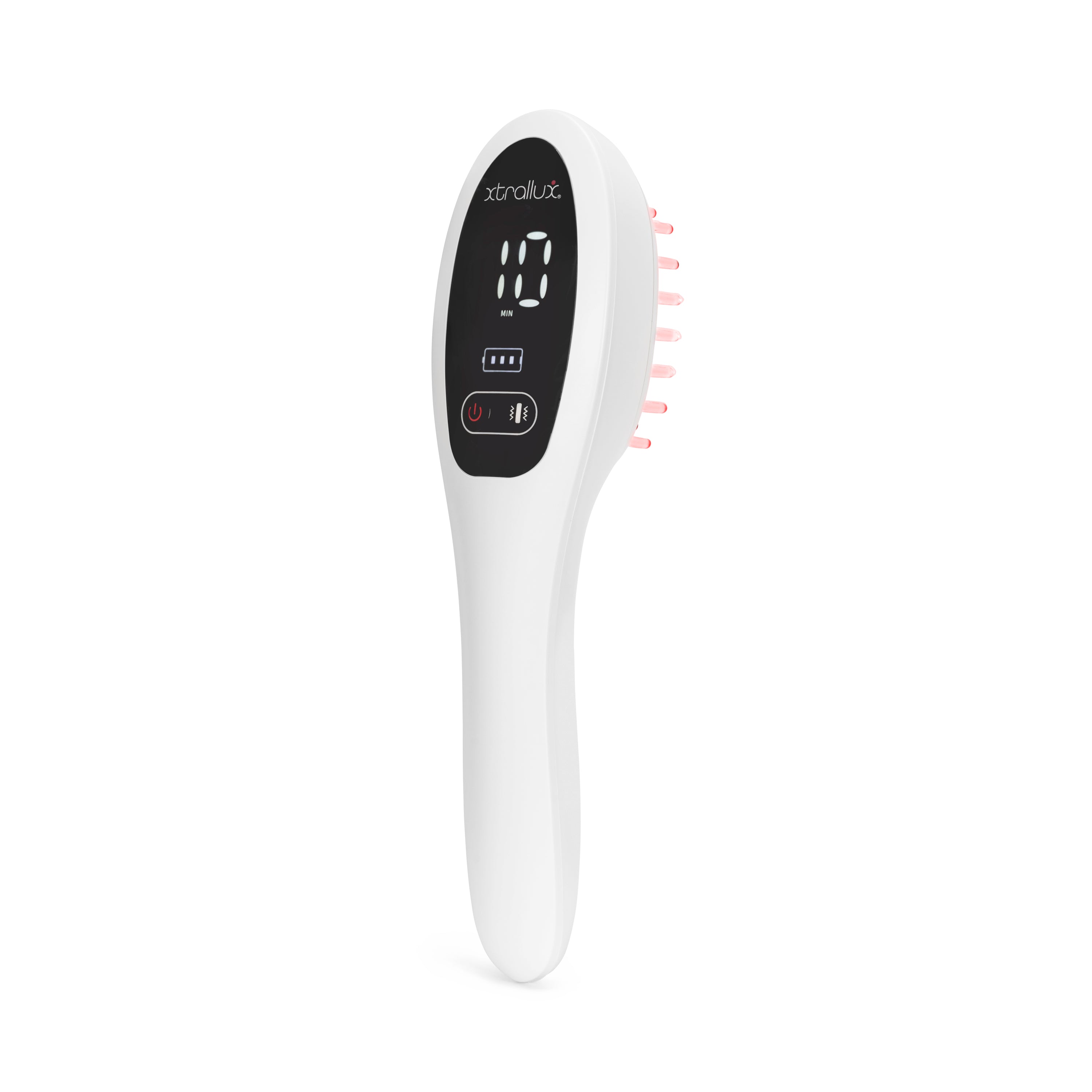
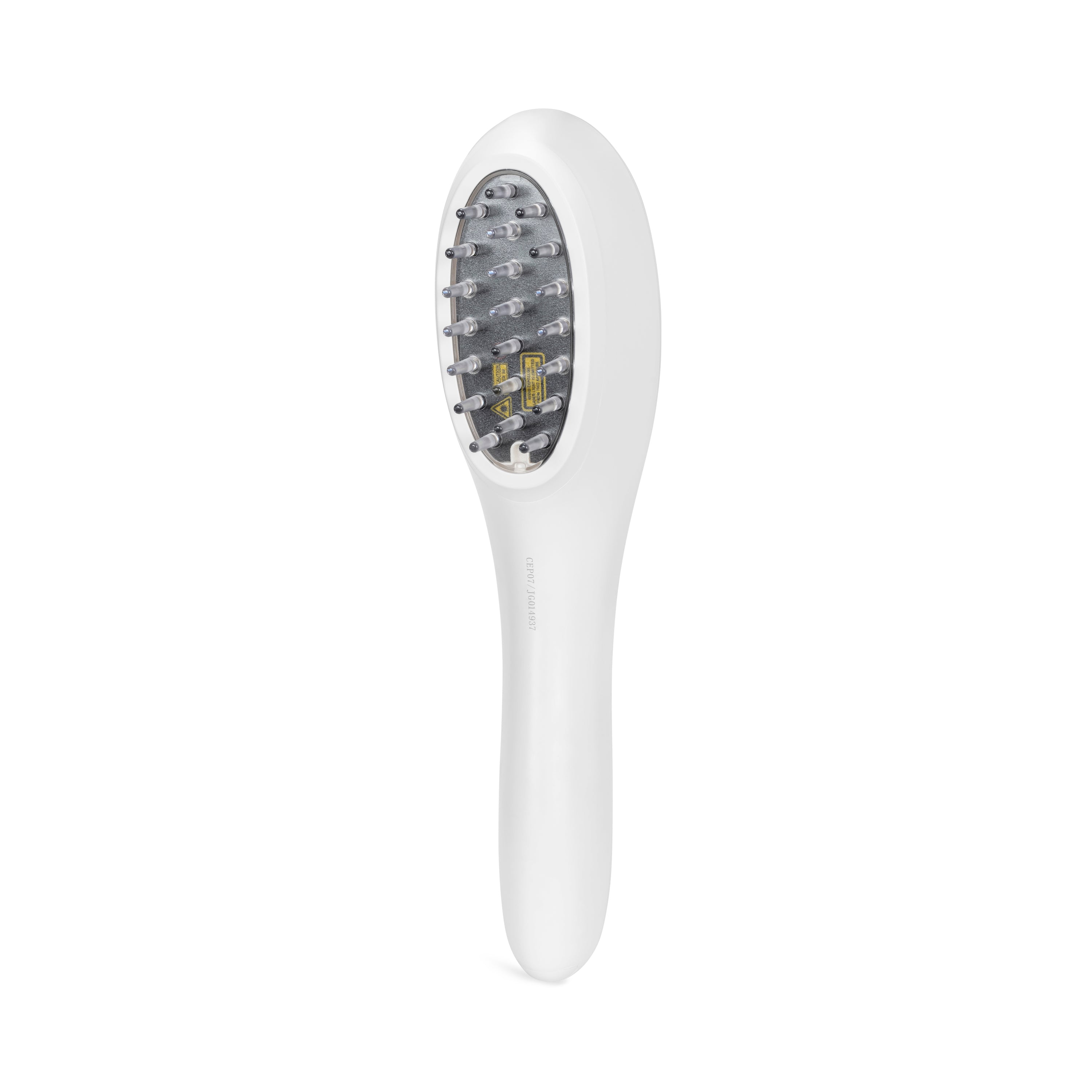
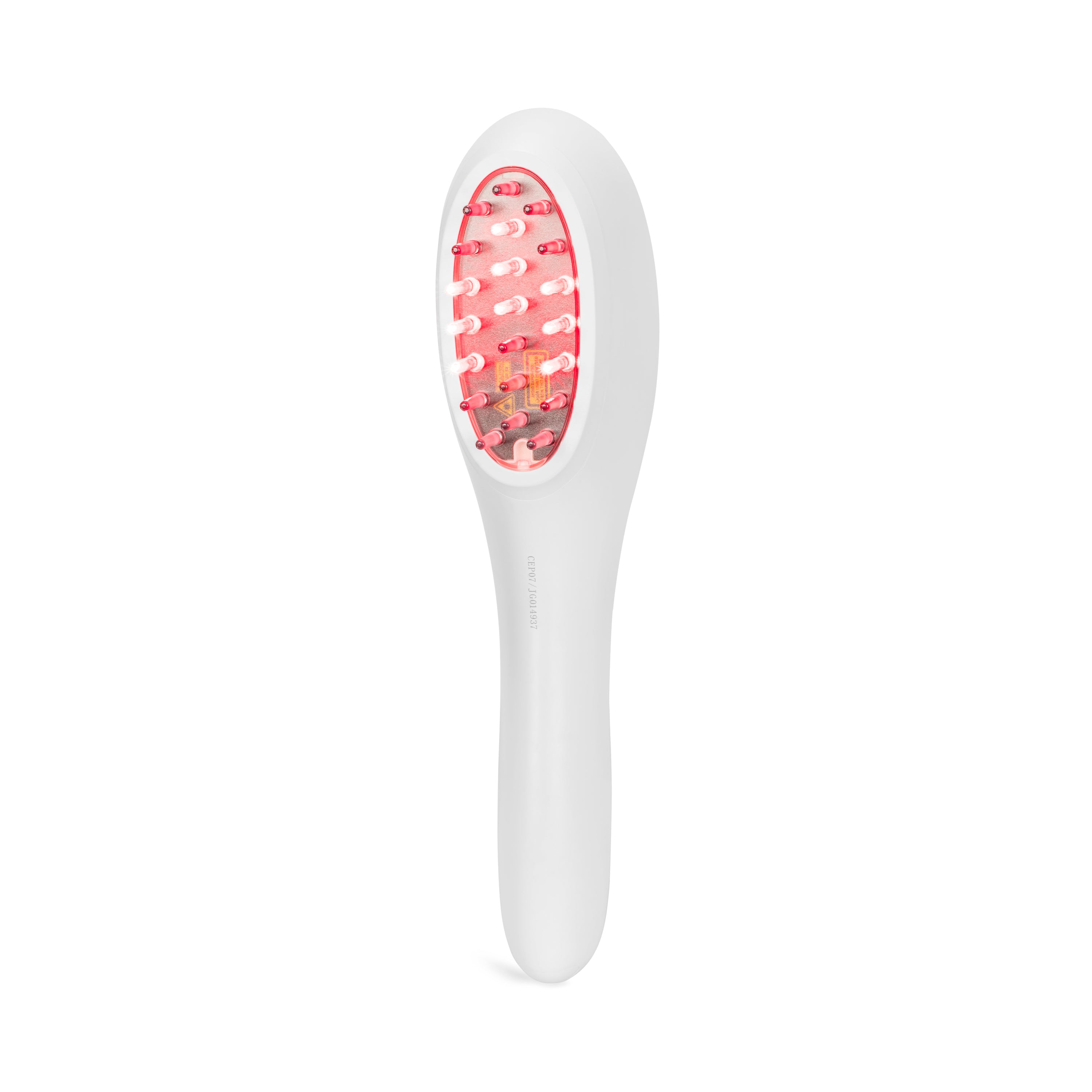
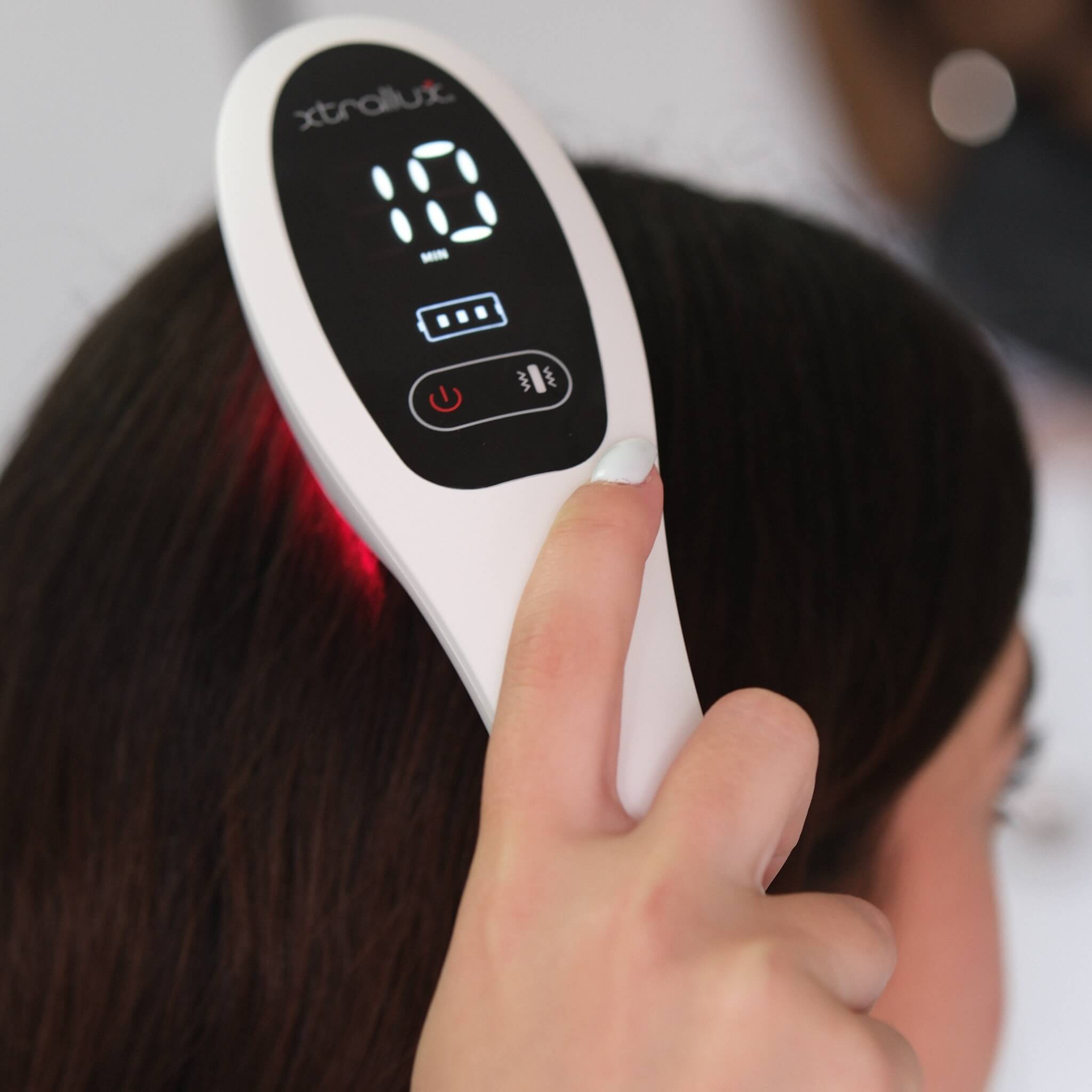
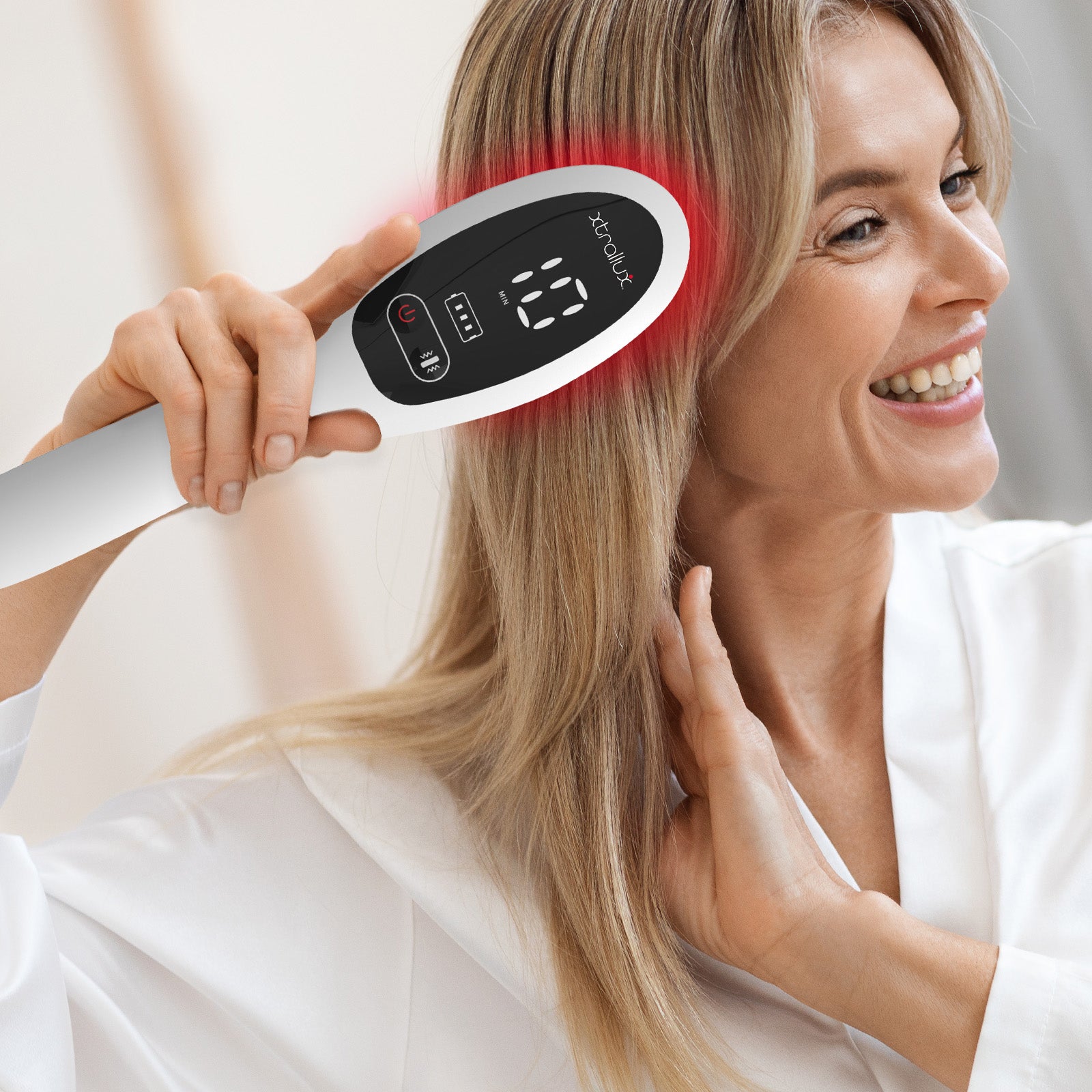
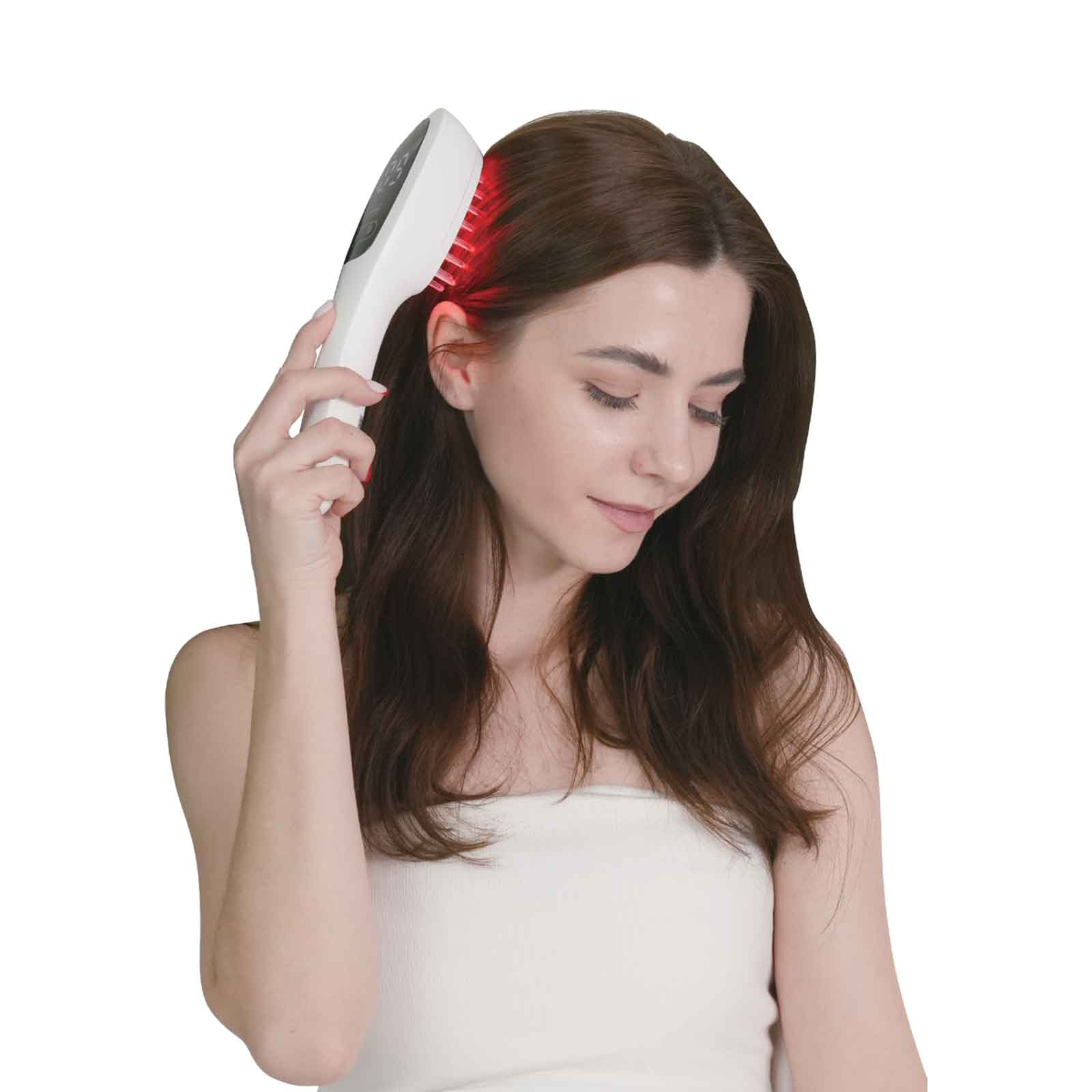
Unlock the secret to thicker, healthier hair with the Xtrallux Laser Comb. Engineered with cutting-edge technology, this comb is your new ally for healthy hair growth. The Xtrallux Laser Comb Alpha features 9 laser diodes and includes a therapeutic massage option. Utilizing low-level laser therapy (LLLT), the Xtrallux Comb stimulates hair follicles at a cellular level, promoting hair growth. Designed for comfort and ease of use, the comb fits perfectly in your hand, allowing you to effortlessly incorporate it into your daily routine. Compact enough to take anywhere, the comb is ideal for use at home or on the go, ensuring consistent treatment wherever you are.
Laser Therapy has been featured in:


Pairs well with
Free Shipping Continental USA
USA Based Company
1-Year Warranty
Xtrallux Laser Comb Alpha for Hair Growth
These real, expert-validated examples that show the visible benefits of consistent LLLT use.
Female Patient - 1-Year Results
Male Patient | 9-Months Results
Male Patient | 1-Year Results
Female Patient | 6-Months Results
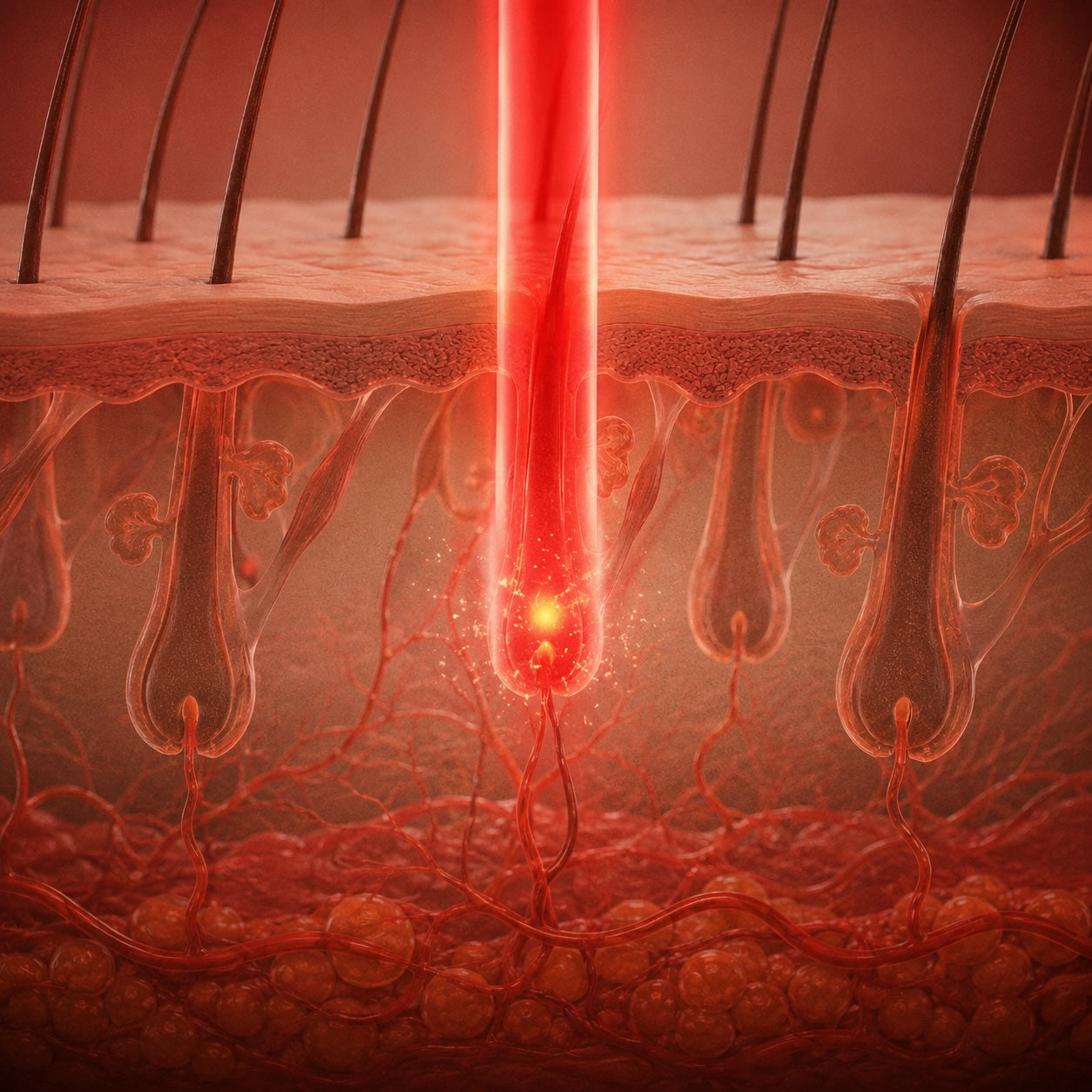
A growing body of randomized controlled trials and systematic reviews support 650 nm low-level laser therapy for androgenetic alopecia.
RCT n=42 women, 16 weeks, 655 nm device → 37% increase in hair count vs sham (48% active vs 11% control). No side effects.
Background and objectives: Low level laser (light) therapy (LLLT) has been demonstrated to promote hair growth in males. A double-blind randomized controlled trial was undertaken to define the safety and physiologic effects of LLLT on females with androgenic alopecia.
Methods: Forty-seven females (18-60 years old, Fitzpatrick I-IV, and Ludwig-Savin Baldness Scale I-2, I-3, I-4, II-1, II-2 baldness patterns) were recruited. A transition zone scalp site was selected; hairs were trimmed to 3 mm height; the area was tattooed and photographed. The active group received a "TOPHAT655" unit containing 21, 5 mW diode lasers (655 ± 5 nm) and 30 LEDS (655 ± 20 nm), in a bicycle-helmet like apparatus. The placebo group unit appeared identical, containing incandescent red lights. Patients treated at home every other day × 16 weeks (60 treatments, 67 J/cm(2) irradiance/25 minute treatment, 2.9 J dose), with follow up and photography at 16 weeks. A masked 2.85 cm(2) photographic area was evaluated by another blinded investigator. The primary endpoint was the percent increase in hair counts from baseline.
Results: Forty-two patients completed the study (24 active, 18 sham). No adverse events or side effects were reported. Baseline hair counts were 228.2 ± 133.4 (N = 18) in the sham and 209.6 ± 118.5 (N = 24) in the active group (P = 0.642). Post Treatment hair counts were 252.1 ± 143.3 (N = 18) in the sham group and 309.9 ± 166.6 (N = 24) in the active group (P = 0.235). The change in hair counts over baseline was 23.9 ± 30.1 (N = 18) in the sham group and 100.3 ± 53.4 (N = 24) in the active group (P < 0.0001). The percent hair increase over the duration of the study was 11.05 ± 48.30 (N = 18) for the sham group and 48.07 ± 17.61 (N = 24) for the active group (P < 0.001). This demonstrates a 37% increase in hair growth in the active treatment group as compared to the placebo group.
RCT n=41 men, 16 weeks, 655 nm helmet → 39% increase in hair counts in active vs placebo. No adverse effects.
Background and objectives: Low level laser therapy (LLLT) has been used to promote hair growth. A double-blind randomized controlled trial was undertaken to define the safety and physiologic effects of LLLT on males with androgenic alopecia.
Methods: Forty-four males (18-48 yo, Fitzpatrick I-IV, Hamilton-Norwood IIa-V) were recruited. A transition zone scalp site was selected; hairs were trimmed to 3 mm height; the area was tattooed and photographed. The active group received a "TOPHAT655" unit containing 21, 5 mW lasers (655 ± 5 nm), and 30 LEDS (655 ± 20 nm), in a bicycle-helmet like apparatus. The placebo group unit appeared identical, containing incandescent red lights. Patients treated at home every other day × 16 weeks (60 treatments, 67.3 J/cm(2) irradiance/25 minute treatment), with follow up and photography at 16 weeks. A masked 2.85 cm(2) photographic area was evaluated by another blinded investigator. The primary endpoint was the percent increase in hair counts from baseline.
Results: Forty-one patients completed the study (22 active, 19 placebo). No adverse events or side effects were reported. Baseline hair counts were 162.7 ± 95.9 (N = 22) in placebo and 142.0 ± 73.0 (N = 22) and active groups respectively (P = 0.426). Post Treatment hair counts were 162.4 ± 62.5 (N = 19) and 228.7 ± 102.8 (N = 22), respectively (P = 0.0161). A 39% percent hair increase was demonstrated (28.4 ± 46.2 placebo, N = 19; 67.2 ± 33.4, active, N = 22) (P = 0.001) Deleting one placebo group subject with a very high baseline count and a very large decrease, resulted in baseline hair counts of 151.1 ± 81.0 (N = 21) and 142.0 ± 73.0 (N = 22), respectively (P = 0.680). Post treatment hair counts were 158.2 ± 61.5 (N = 18) and 228.7 ± 102.8 (N = 22) (P = 0.011), resulting in a 35% percent increase in hair growth (32.3 ± 44.2, placebo, N = 18; 67.2 ± 33.4, active, N = 22) (P = 0.003).
Conclusions: LLLT of the scalp at 655 nm significantly improved hair counts in males with androgenetic alopecia.
Meta-analysis of 11 RCTs → LLLT significantly increased hair density vs sham (SMD 1.316, 95% CI 0.99–1.64). Effective in both genders.
The purpose of this review is to explore the effectiveness of low-level laser therapy (LLLT) in the treatment of adult androgenic alopecia (AGA). A systematic search of studies on LLLT for AGA was conducted mainly in Pubmed, Embase, and Cochrane Systematic Reviews. The standardized mean difference (SMD) in the changes of hair density treated by LLLT versus sham devices was analyzed. The meta-analysis included 8 studies comprising a total of 11 double-blinded randomized controlled trials. The quantitative analysis showed a significant increase in hair density for those treated by LLLT versus sham group (SMD 1.316, 95% confidence interval, CI 0.993 to 1.639). The subgroup analysis demonstrated that LLLT increases hair growth in both genders, in both comb- and helmet-type devices, and in short- and long-term treatment course. The subgroup analysis also showed a more significant increase of hair growth for the LLLT versus sham in the low-frequency treatment group (SMD 1.555, 95% CI 1.132 to 1.978) than in the high-frequency group (SMD 0.949, 95% CI 0.644 to 1.253). The review was limited by the heterogeneity of included trials. LLLT significantly increased hair density in AGA. The meta-analysis suggests that low treatment frequency by LLLT have a better hair growth effect than high treatment frequency. LLLT represents a potentially effective treatment for AGA in both male and female. The types of LLLT devices and LLLT treatment course duration did not affect the effectiveness in hair growth.
Keywords: Adult androgenic alopecia; Hair growth; Low-level laser therapy; Meta-analysis.
Review of 10 RCTs → all sham-controlled studies showed statistically significant increase in hair diameter or density (p<0.01). Minimal adverse effects.
Pattern hair loss is the most common type of alopecia. Standard of care involves long-term use of topical medications with limited effectiveness. Low-level laser therapy (LLLT) has become a popular alternative treatment. Here, we examine published clinical trials to establish whether the breadth of evidence supports LLLT for pattern hair loss.
A literature search was conducted within the PubMed, Embase, Scopus, and Cochrane Trials databases to identify original articles evaluating hair regrowth following LLLT. Articles were selected based on use of 600–1,100 nm wavelengths, treatment time ≥16 weeks, and objective evaluation for hair regrowth.
Ten randomized controlled trials were included, of which 8 compared LLLT to sham device and 1 to no treatment. The study populations varied, with 3 studies evaluating only women. All sham-device controlled studies demonstrated statistically significant increase in hair diameter or density (p < 0.01) following LLLT.
Transform your hair with the Xtrallux Laser Comb.
Unlock the secret to thicker, healthier hair with the Xtrallux Laser Comb. Engineered with cutting-edge technology, this comb is your new ally for healthy hair growth. The Xtrallux Laser Comb Alpha features 9 laser diodes and includes a therapeutic massage option. Utilizing low-level laser therapy (LLLT), the Xtrallux Comb stimulates hair follicles at a cellular level, promoting hair growth. Designed for comfort and ease of use, the comb fits perfectly in your hand, allowing you to effortlessly incorporate it into your daily routine. Compact enough to take anywhere, the comb is ideal for use at home or on the go, ensuring consistent treatment wherever you are.
The Xtrallux Hair Regrowth Laser Comb can be used by men and women with thinning hair (including color treated hair) or pattern baldness caused by a hereditary condition.
Please note that this device is NOT intended for people with advanced hair loss and balding. Laser therapy treats viable hair follicles. It cannot treat hair follicles that no longer produce any hair.
See indication for use for more details.
• Increases volume of hair on scalp.
• Medically-accepted way to treat hereditary hair loss.
• Restores healthy hair growth by revitalizing scalp follicles.
• Clean, mess-free treatment for both men & women.
• Drug-free & safe treatment using light energy.
• No known adverse side-effects.
• Quick & easy protocol. Wear just 6 minutes each day.
Photobiomodulation should not be used in conjunction with photosensitizing medications or products. Consult with your physician before using this device if you have cancer of the scalp, or you are sensitive to light of 650 nm in wavelength.
TECHNICAL INFORMATION
12 Month Mfr. Warranty

Service Life Expectancy is 5 Year
XTRALLUX warrants its registered devices purchased from an authorized reseller for a 1 year after the date of purchase. Defects due to faulty materials and workmanship will be repaired or replaced at the expense of XTRALLUX, as long as a valid proof of purchase is provided within the qualifying period. Damage from the use of unauthorized replacement parts will void this warranty. The user should strictly adhere to all instructions included in the user manual. This Warranty does not cover damage due to improper operation or maintenance, connection to improper voltage supply, or attempted repair by anyone other than the company. This warranty is not transferable and does not cover damage due to acts of God, misuse, negligence, accident, or modification of ant of its parts as deemed by our repairs department. Register your device within 30 days of purchase on www.xtrallux.com/warranty.
This device is cleared by the US Food & Drug Administration to treat Androgenetic Alopecia (AGA) and promote hair growth in: males who have Norwood-Hamilton Classifications of Ila to V patterns of hair loss; and, females who have Ludwig (Savin) Scale I-1 to I-4, II-1, II-2, or frontal; both with Fitzpatrick Skin Types I to IV.


Fitzpatrick Skin Types: Developed by dermatologists in the 1970s, the Fitzpatrick Scale classifies skin types according to the amount of pigment in the skin and the skin’s reaction to sun exposure. TYPE 1: Highly sensitive, always burns, never tans. TYPE 2: Very sun sensitive, burns easily, tans minimally. TYPE 3: Sun sensitive skin, sometimes burns, slowly tans to light brown. TYPE 4: Minimally sun sensitive, burns minimally, always tans to moderate brown. TYPE 5: Sun insensitive skin, rarely burns, tans well. TYPE 6: Sun insensitive, never burns, deeply pigmented.
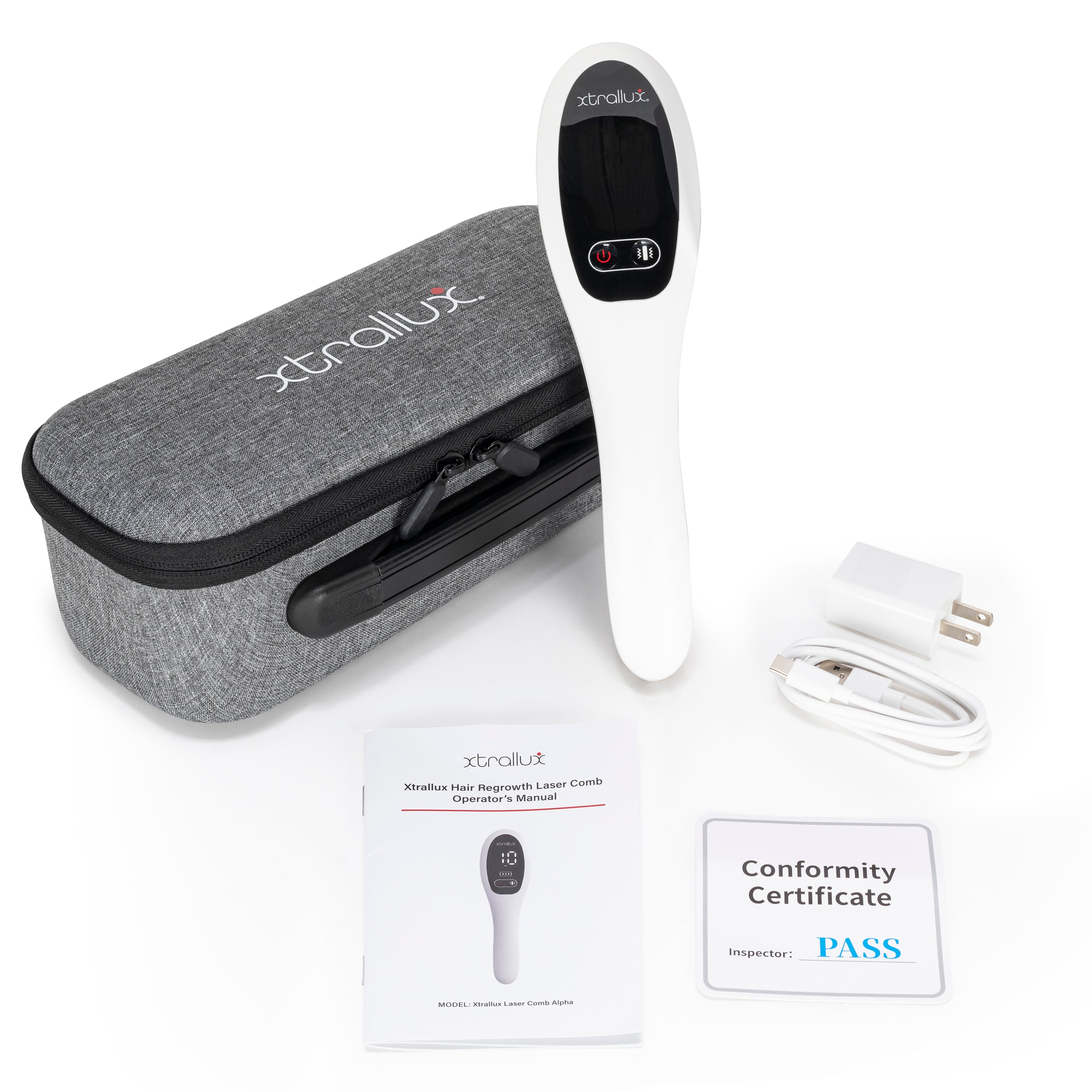
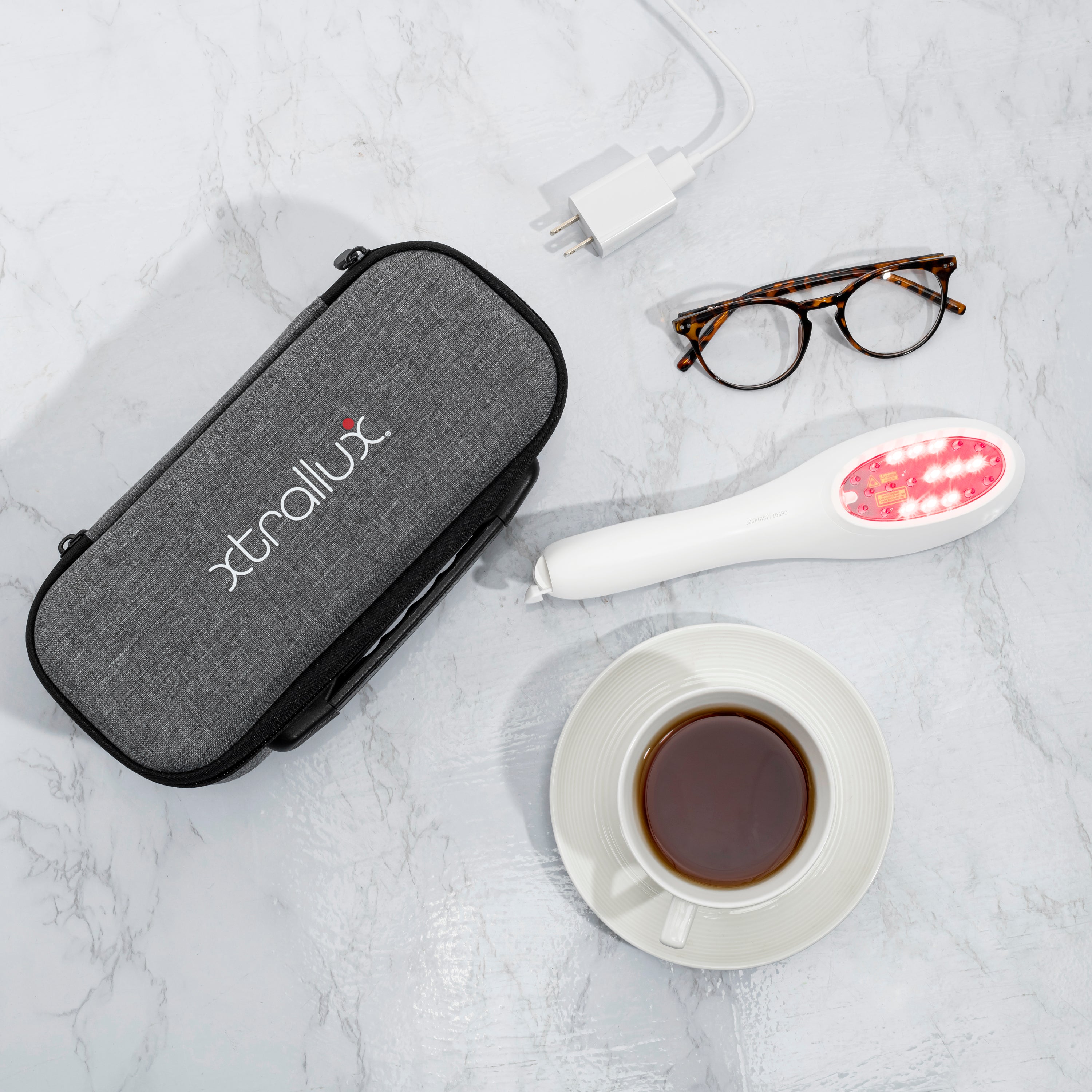
Included in the Box
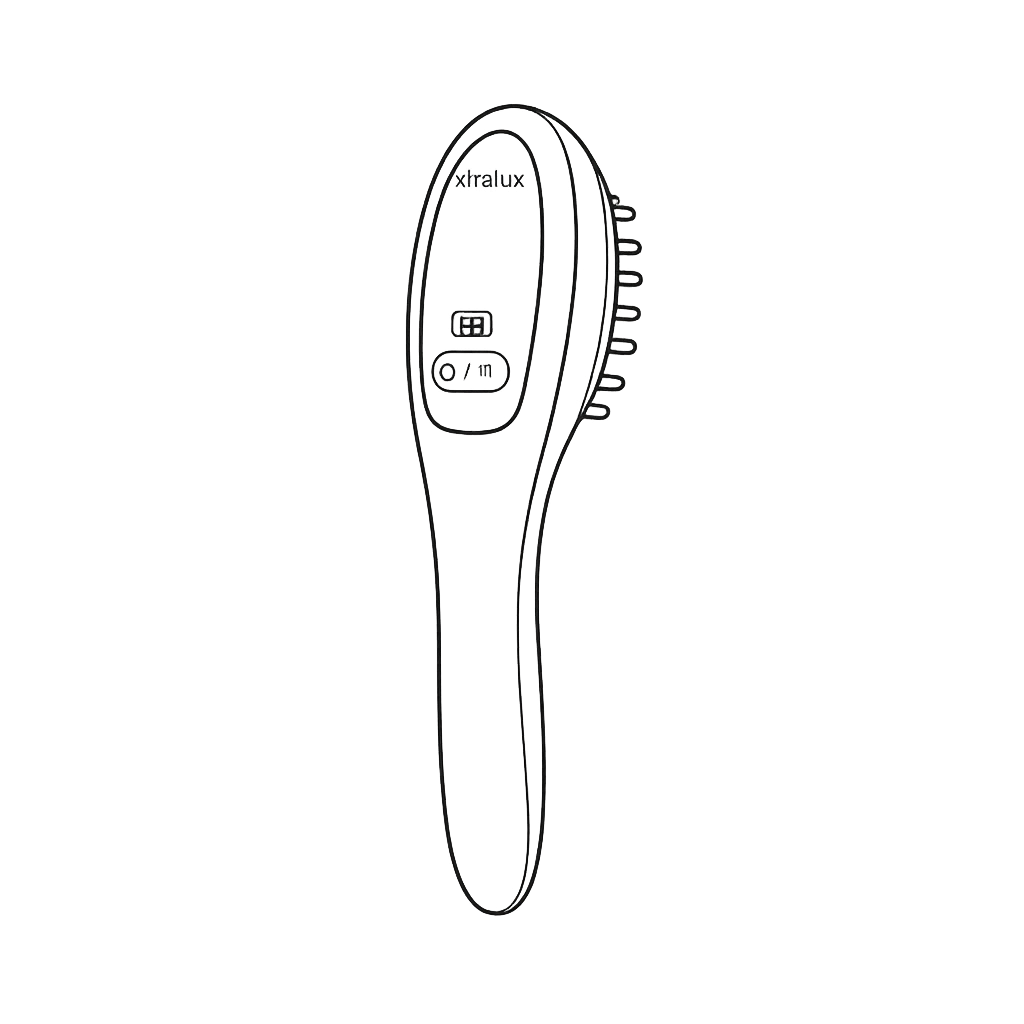
Xtrallux Laser Comb Alpha
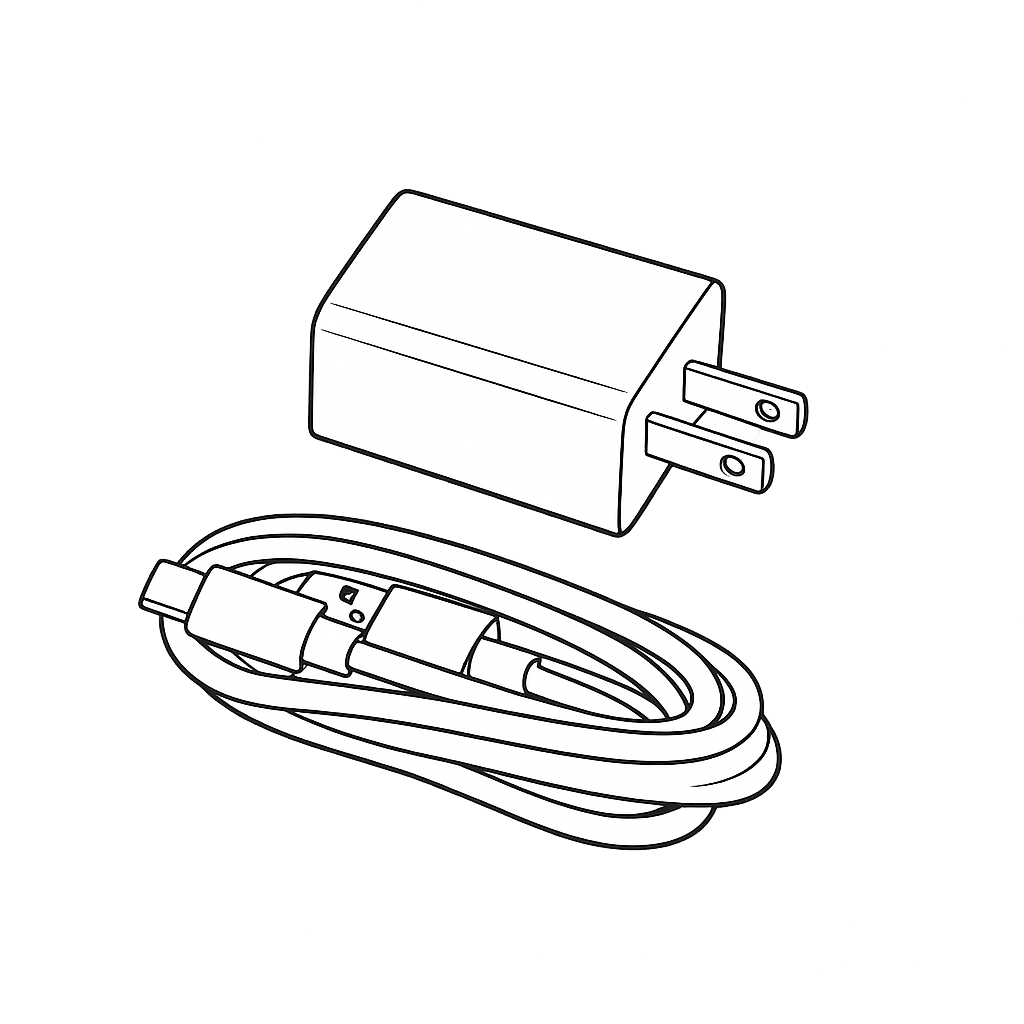
Power Adapter with Cable
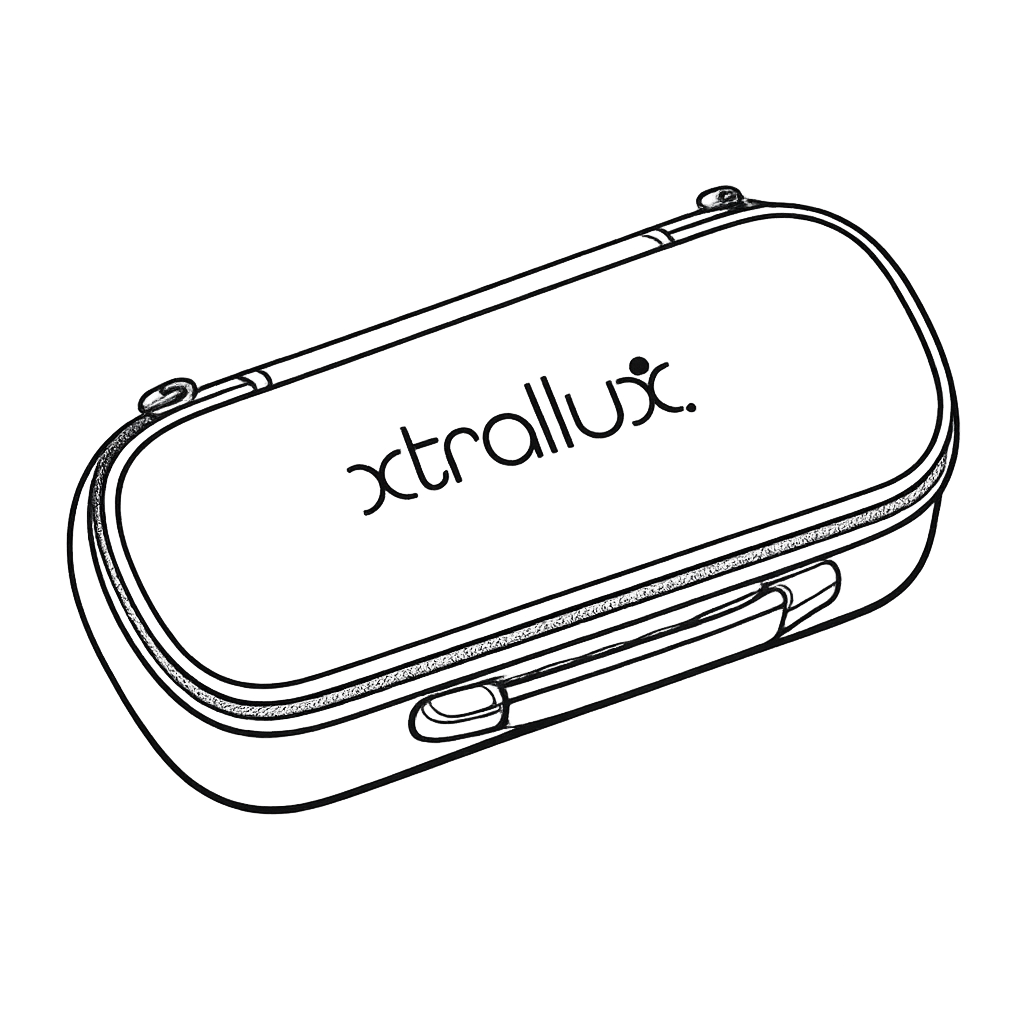
Travel & Storage Case
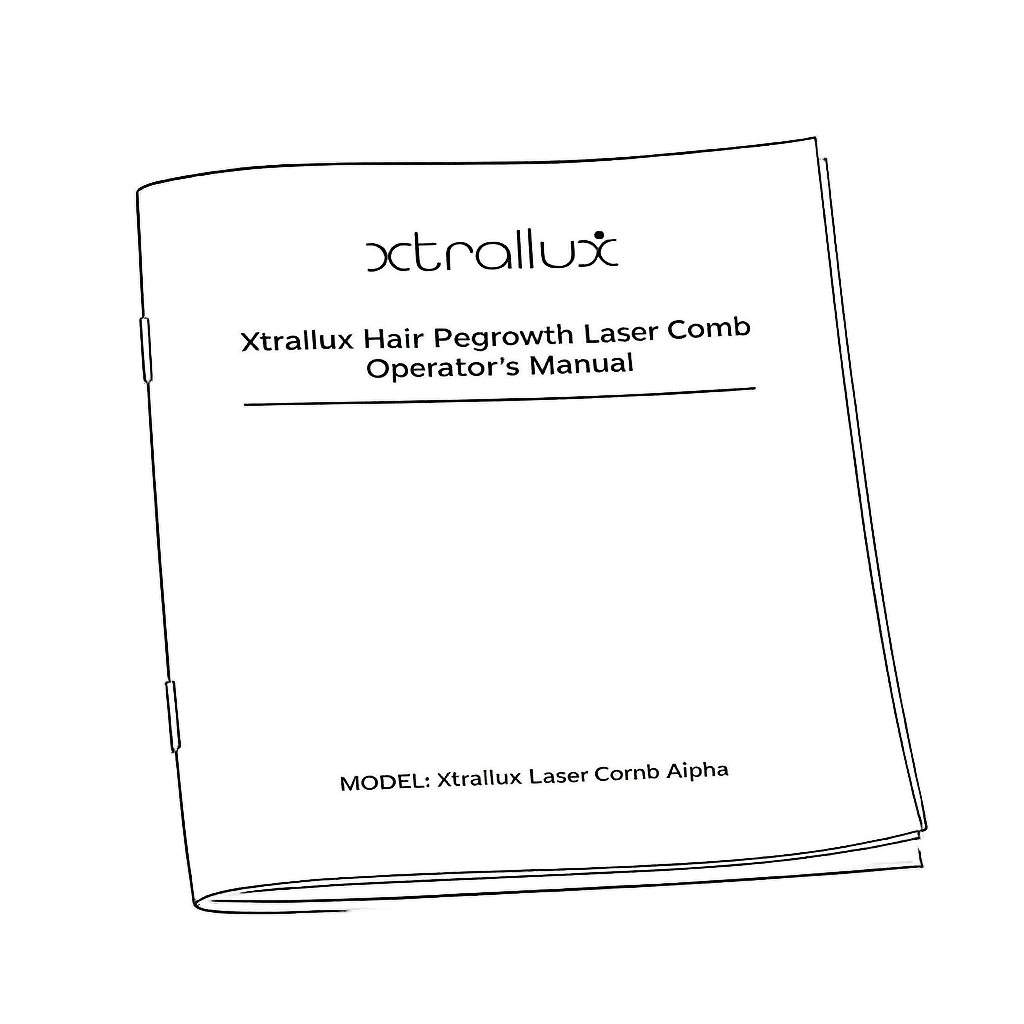
User Manual
Investing in an Xtrallux device provides a cost-effective solution compared to ongoing treatments such as prescription medications or salon therapies. Once you have the device, you can perform unlimited treatments at no additional cost, saving money in the long run. This makes it great choice for those seeking sustainable hair regrowth solutions without the recurring expenses associated with other methods.
Please read our FAQs page to find out more.
Most users report reduced shedding within 1–2 months, early new-growth signals at 3–4 months, and visible improvements between months 5–6. Continued daily use is required to maintain and enhance results.
Yes. The Xtrallux device is designed for daily 6-minute sessions. Exceeding the recommended usage does not provide added benefit and may have a negative impact. The device is Class 3R per IEC 60825-1 and emits no heat.
Xtrallux caps are designed to cover the full scalp dome, treating both frontal and crown areas simultaneously. Higher-density models (Super Plus, Turbo Pro) provide more uniform coverage and may produce results faster across the entire treated area.
No. Xtrallux is a cold laser therapy device. The visible red light energy delivers no heat. Any warmth you feel is from the electronics housing or body heat insulation, not from the laser itself.
No. Xtrallux is FDA-cleared for mild to moderate hair loss only: Norwood-Hamilton IIa to V for men, Ludwig-Savin I-1 to II-2 for women. If your hair loss is advanced (full baldness) or due to scarring alopecia, this device is not for you. Consult a hair restoration physician.
650 nm at <5 mW has no reported adverse effects for any skin tone, but Xtrallux devices are FDA-cleared specifically for Fitzpatrick Skin Types I–IV due to the substantiating clinical data submitted in the 510(k) process.