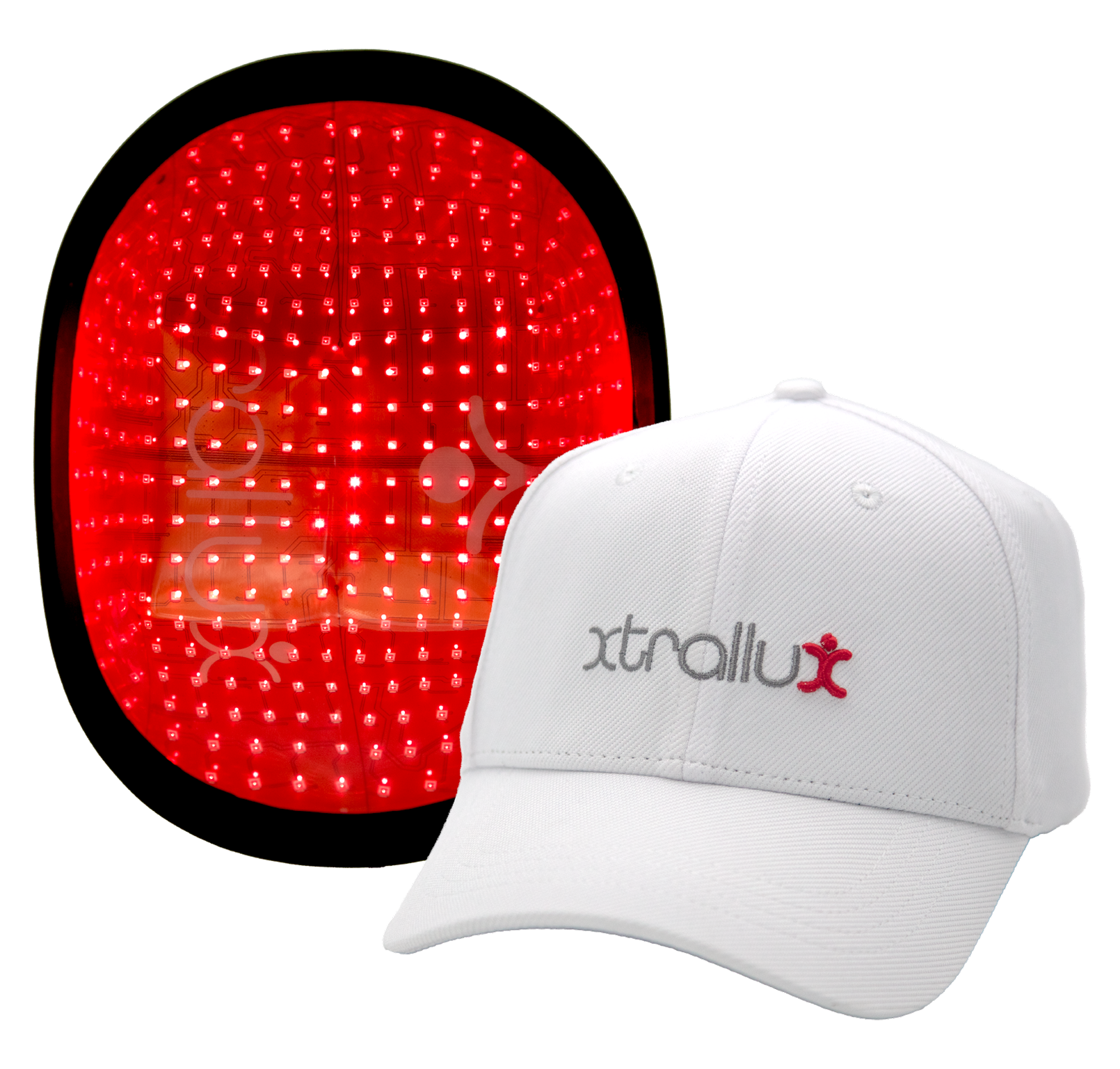
If you're researching laser caps for hair loss treatment, understanding the technology behind these devices is crucial for making an informed decision. Not all laser caps are created equal, and the differences in technology can significantly impact your results.
Hair restoration professionals consistently agree that lasers outperform LEDs for hair regrowth for several key reasons.
Coherent Light Delivery
Lasers produce coherent light, meaning the light waves are perfectly synchronized and travel in the same direction. This coherence allows laser light to penetrate the scalp with precision, reaching hair follicles more effectively than the diffuse, scattered light produced by LEDs. When light energy disperses before reaching its target, it loses intensity and therapeutic value.
Focused Energy Concentration
Laser diodes focus their energy into specific areas, ensuring maximum light energy reaches hair follicles directly. This concentrated approach is significantly more efficient for promoting hair growth compared to the broader, less focused light that LEDs produce.
Deeper Scalp Penetration
The critical advantage of lasers lies in their ability to penetrate deeper into the scalp tissue. This depth is essential because hair follicle stimulation must occur at the base of the follicle to be effective. LEDs simply cannot achieve this same penetration depth consistently.
FDA Clinical Evidence
Perhaps most importantly, all FDA clearances for at-home hair growth devices are based on clinical studies using red laser light in the 635-670nm wavelength range—not LEDs. The scientific evidence supporting hair regrowth comes specifically from laser technology.
Clinical and laboratory studies demonstrate that 650nm red light effectively stimulates hair follicles, delays thinning, and supports regrowth in people with androgenetic alopecia (pattern hair loss). This specific wavelength:
All FDA clearances for at-home hair growth devices are based on red light in the 635-670nm range. This means 650nm sits perfectly within the proven therapeutic window.
Some manufacturers include 808nm infrared lasers in their devices, marketing them as providing "deeper penetration." However, there's a significant concern here: 808nm diode lasers are commonly FDA-cleared for hair removal, not hair growth. This wavelength penetrates deeply enough to heat follicles and damage their ability to regrow hair—the opposite of what you want in a hair growth device.

When evaluating laser caps, verify that every diode operates at the optimal 650nm wavelength, not a mix of wavelengths that may work against your hair growth goals.
Surface-Mount Technology (SMT) combined with Vertical-Cavity Surface-Emitting Lasers (VCSELs) represents the most advanced engineering in hair regrowth devices.
Traditional laser devices use through-hole diodes where each laser component is inserted and soldered through a circuit board. While effective, this method:
SMT changes this by mounting each laser diode directly onto the surface of the circuit board, allowing engineers to:
When SMT technology is combined with VCSEL lasers, the benefits compound:
Even Coverage: Light distributes uniformly across the scalp, eliminating under-treated areas that can occur with traditional diode positioning.
Higher Energy Density: Each laser outputs reliable, concentrated red light with minimal loss between source and skin.
Improved Durability: Fewer physical connections mean fewer points of wear or failure over time.
Greater Comfort: Thinner, lighter assemblies make devices more ergonomic for daily use.
Precise Wavelength Control: VCSELs emit light perpendicular to the surface, allowing for denser, more stable arrays at the exact 650nm wavelength.

Let's examine how the major laser cap brands compare on the most important criteria.
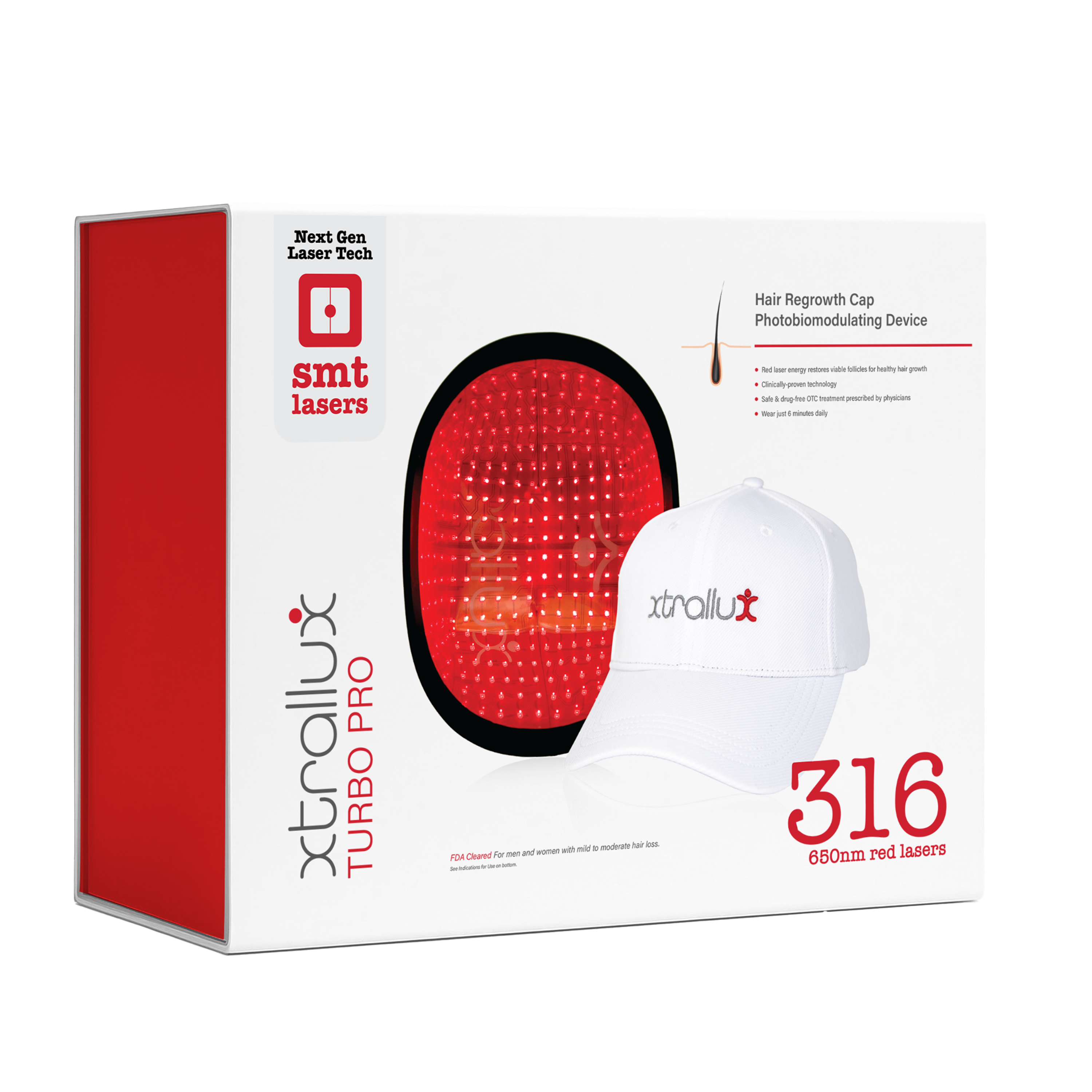
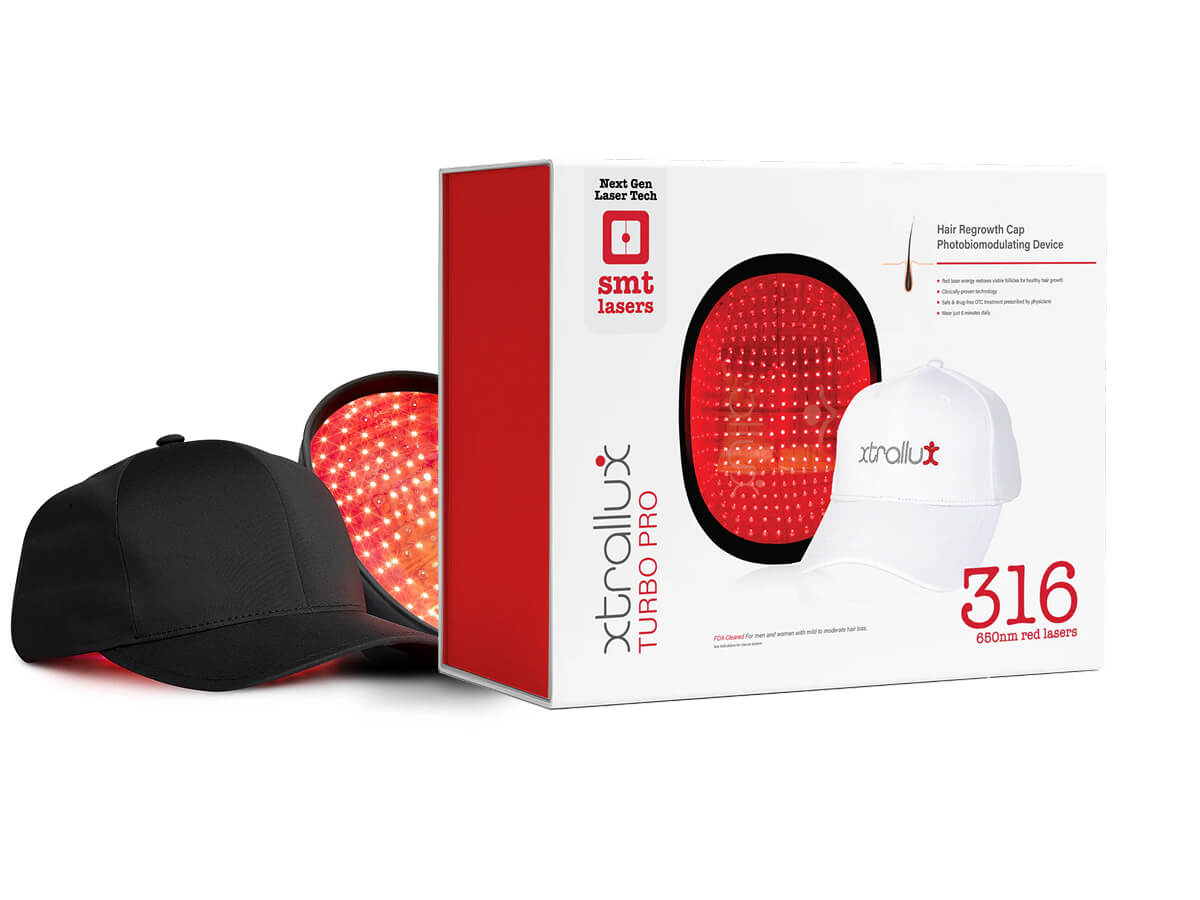
Technology: SMT VCSEL lasers at 650nm
Top Model: TurboPro with 316 laser diodes
Treatment Time: 6 minutes daily
FDA Status: FDA-cleared
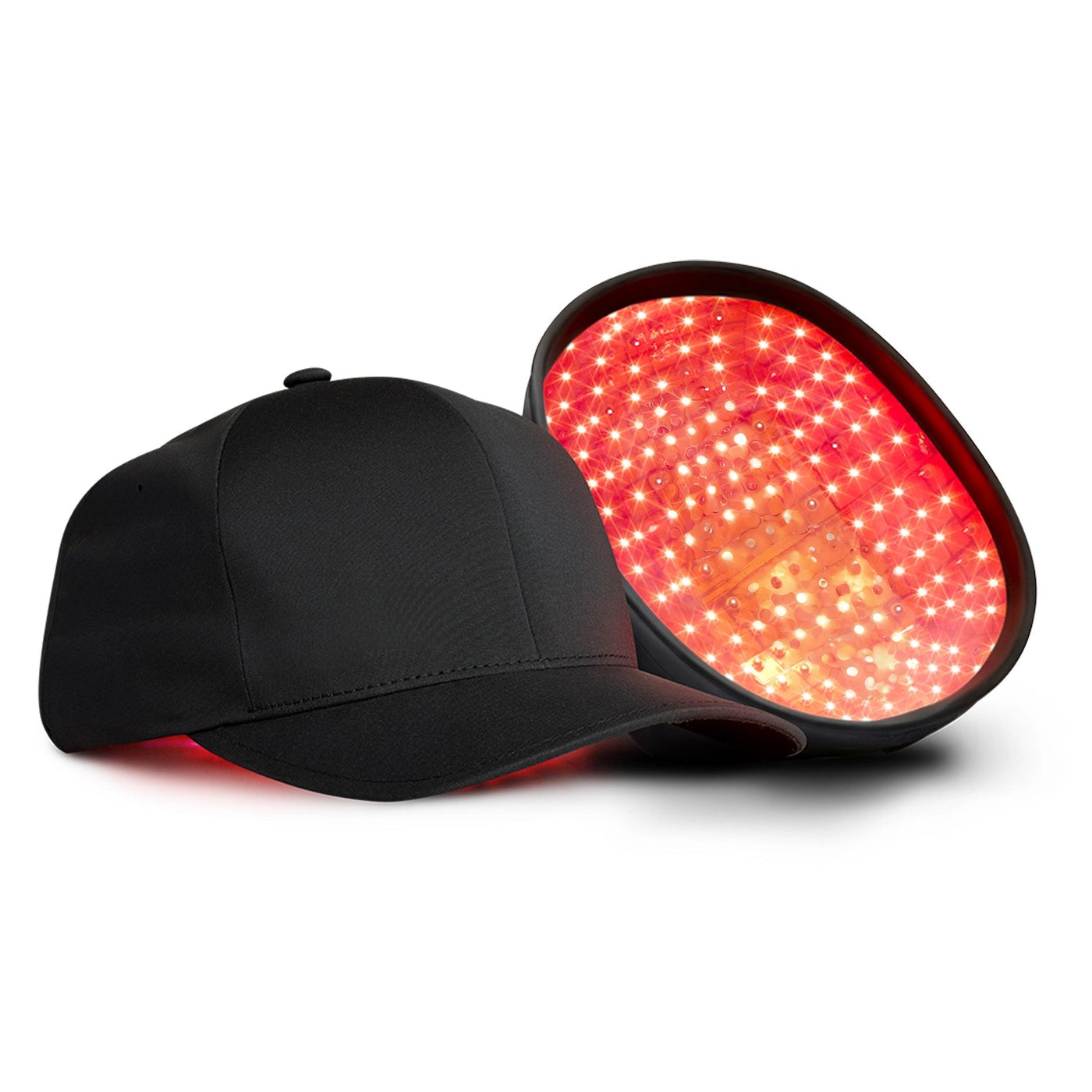
Technology: Traditional laser diodes at 650nm; newer Spectrum model adds 808nm
Top Model: Spectrum with 312 laser diodes (dual wavelength)
Treatment Time: 6 minutes daily
FDA Status: FDA-cleared
Considerations:
Capillus offers solid laser-only technology in their standard models, which is commendable. However, their flagship Spectrum model introduces 808nm infrared lasers alongside 650nm. While marketed as providing "deeper penetration," 808nm is the same wavelength commonly used in FDA-cleared hair removal devices. This dual-wavelength approach deviates from the pure 650nm red light that clinical studies used to establish efficacy for hair regrowth.
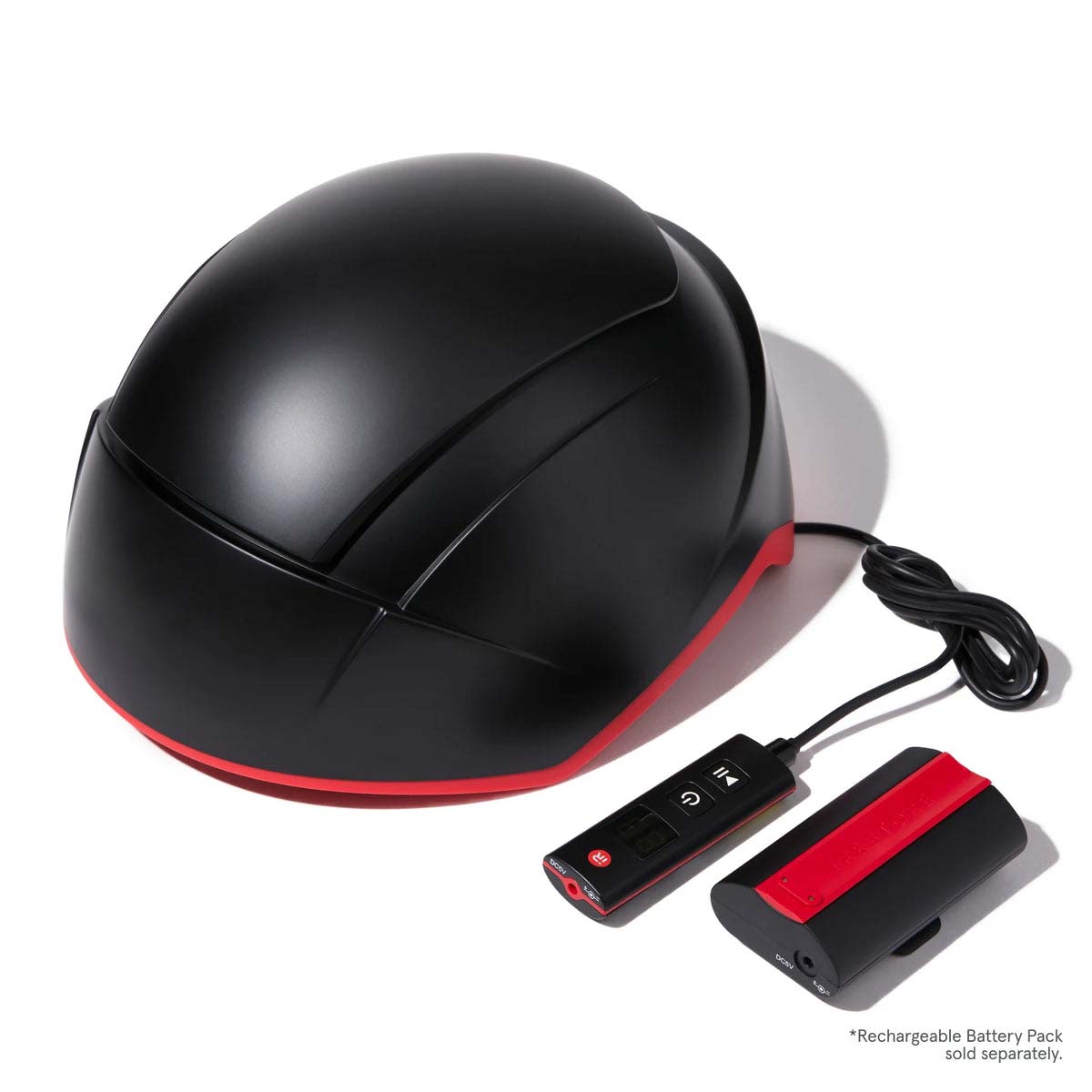
Technology: Mixed lasers and LEDs
Top Model: Elite with 500 total diodes (300 lasers + 200 LEDs)
Treatment Time: 12 minutes daily
FDA Status: FDA-cleared
Considerations:
iRestore takes a fundamentally different approach by combining lasers with LEDs and counting them together in their total diode count. While they market this as "Lumitech" technology, it's important to understand what you're actually getting.
Their Elite model advertises 500 diodes, but 200 of those are LEDs, not lasers. The company uses multiple wavelengths (625nm, 655nm, 680nm) which they call "triple wavelength technology." While iRestore claims LEDs work as well as lasers, the clinical evidence for hair regrowth specifically comes from laser studies.
The longer treatment time (12 minutes vs. 6 minutes) may indicate lower energy density, and the mixed LED-laser approach doesn't align with the FDA-cleared clinical studies that established LLLT efficacy.
Comparing the more powerful devices from each brand
| Feature | Xtrallux TurboPro | Capillus Spectrum | iRestore Elite |
|---|---|---|---|
| Laser Diodes | 316 | 308 | 300 |
| LEDs | 0 | 0 | 200 |
| Wavelength | 650nm (all diodes) | 650nm/808nm | 625/655/680nm mix |
| Technology | SMT VCSEL | Traditional | Traditional |
| Treatment Time | 6 min/day | 6 min/day | 12 min/day |
| FDA Cleared | Yes | Yes | Yes |
When evaluating laser caps purely on the science of what promotes hair regrowth, Xtrallux distinguishes itself in several critical ways:
Pure Laser Technology Every single diode in Xtrallux devices is a true 650nm laser. There are no LEDs diluting the count, no mixed wavelengths that may work against your goals, and no filler light. You get exactly what clinical studies show works for hair regrowth.
Most Advanced Engineering As the only device currently offering SMT VCSEL technology, Xtrallux delivers more precise, uniform, and stable energy to hair follicles than traditional through-hole diode designs can achieve.
Maximum Laser Coverage In each price category, Xtrallux offers more laser diodes than competitors, providing better scalp coverage and more thorough follicle stimulation.
Shortest Treatment Time The 6-minute daily treatment is the shortest among major brands, which significantly improves user compliance. A treatment that's easy to fit into your routine is one you'll actually stick with.
Legacy of Innovation Carlos Piña, Xtrallux's CEO, founded Capillus in 2012 and created the original CapillusPro, pioneering home-use laser therapy for hair loss. After departing from Capillus in 2021, he developed Xtrallux to represent the next evolution in LLLT technology. This is a team with deep expertise in what actually works.
Professional Endorsement Hair restoration physicians recommend Xtrallux for its clinically proven effectiveness and advanced technology. This professional backing reflects confidence in the device's therapeutic approach.
Disclaimer: Individual results vary. Xtrallux devices are FDA-cleared for treatment of mild to moderate androgenetic alopecia in adults with Fitzpatrick Skin Types I-IV. Consult a healthcare provider to determine if laser therapy is appropriate for your hair loss condition. The Capillus company, Curallux, and their respective brands are trademarks of their owners and are NOT associated with Xtrallux.
Shop our laser caps to treat hair loss direct from the manufacturer. Affordable and luxurious, we offer xtra everything for all budgets and density. Choose from our entry-level, advanced and professional models.
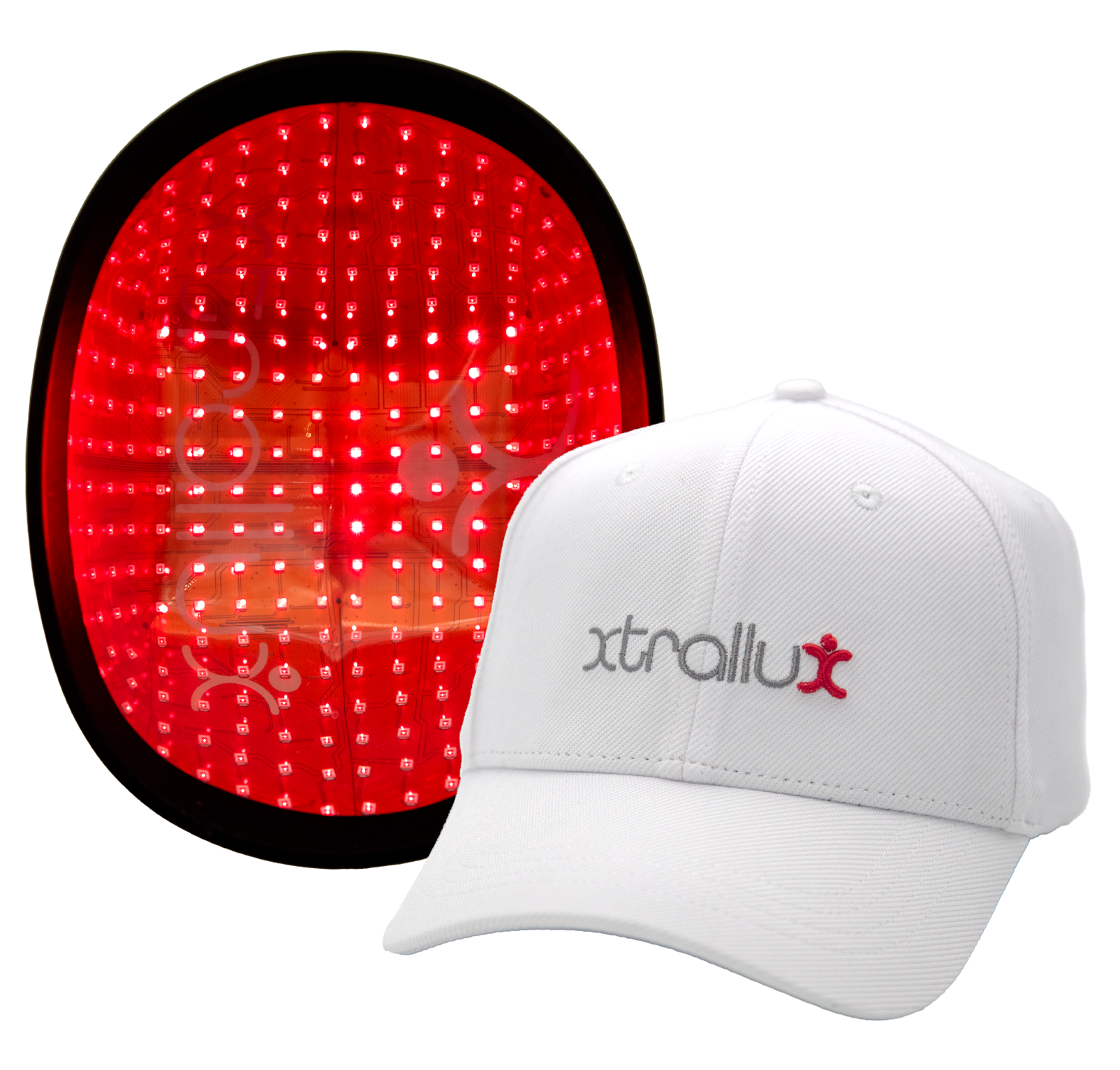
Xtrallux TurboPro (316) Hair Regrowth Laser Cap

316

Professional grade

All key areas

6 mins. daily
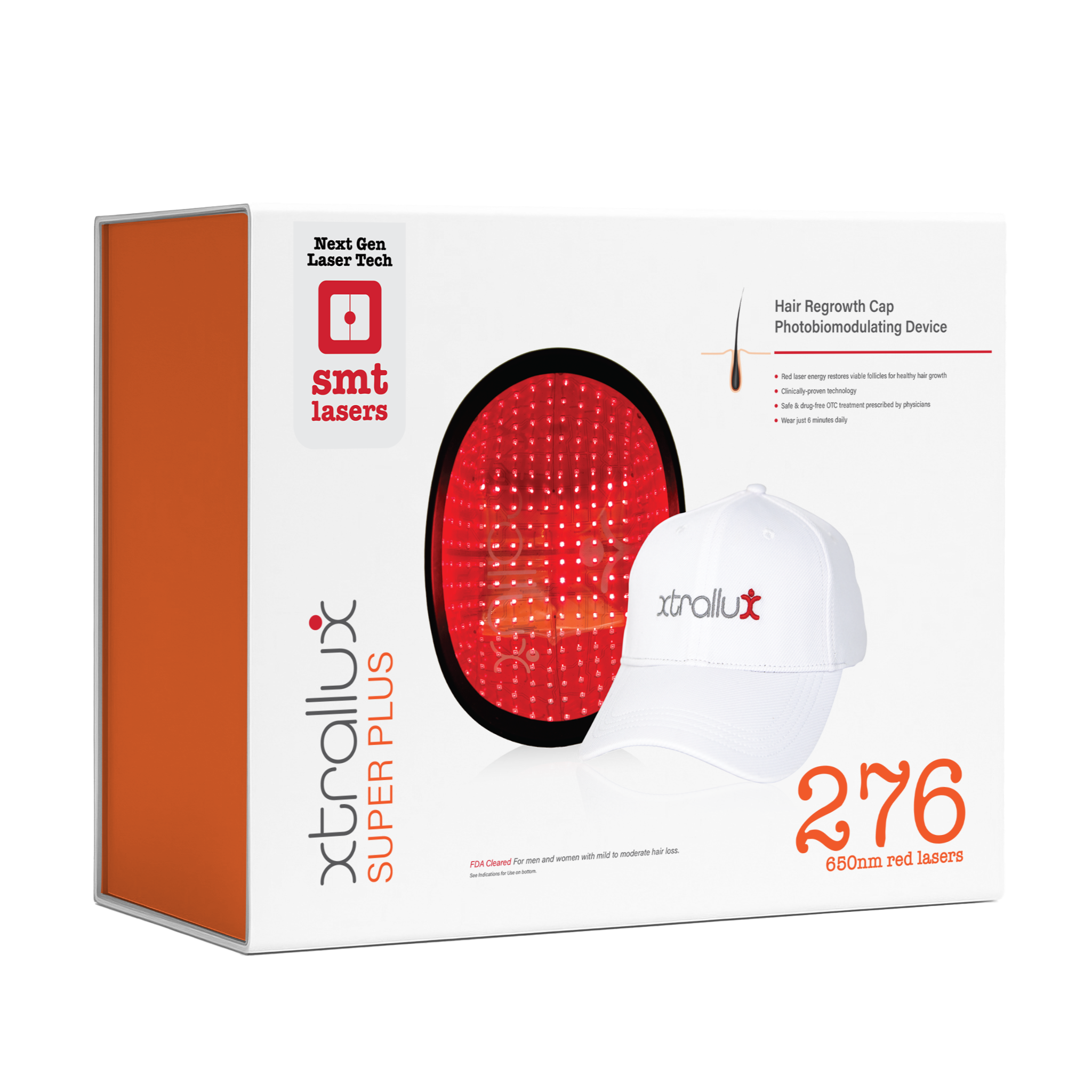
Xtrallux SuperPlus (276) Hair Regrowth Laser Cap
276

Enhanced density
All key areas
6 mins. daily
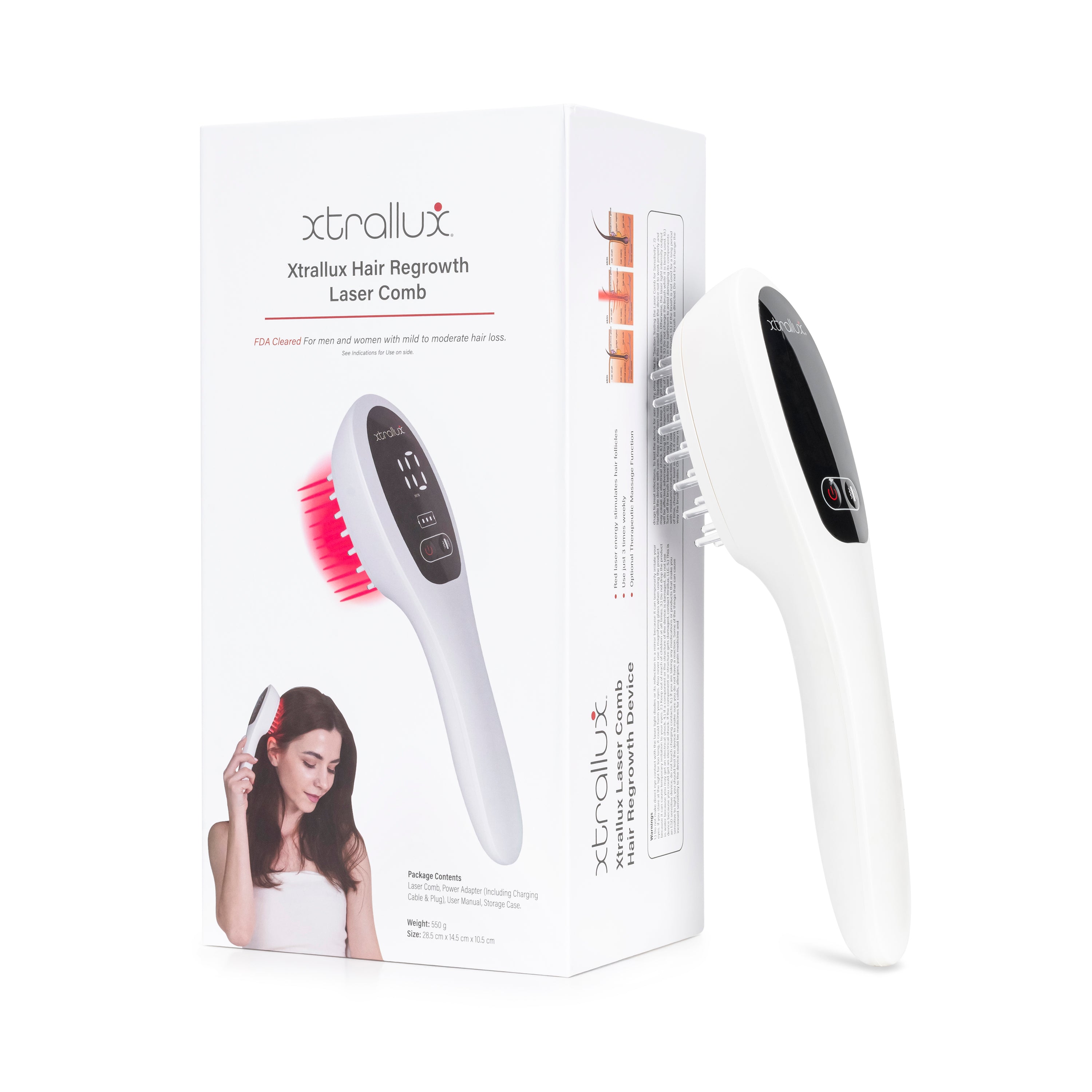
Xtrallux Laser Comb Alpha for Hair Growth
9

Basic
Targeted

6 mins. per zone